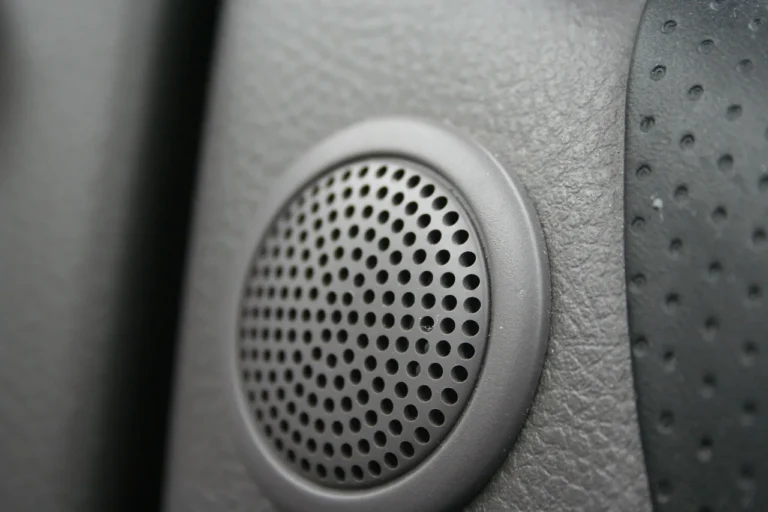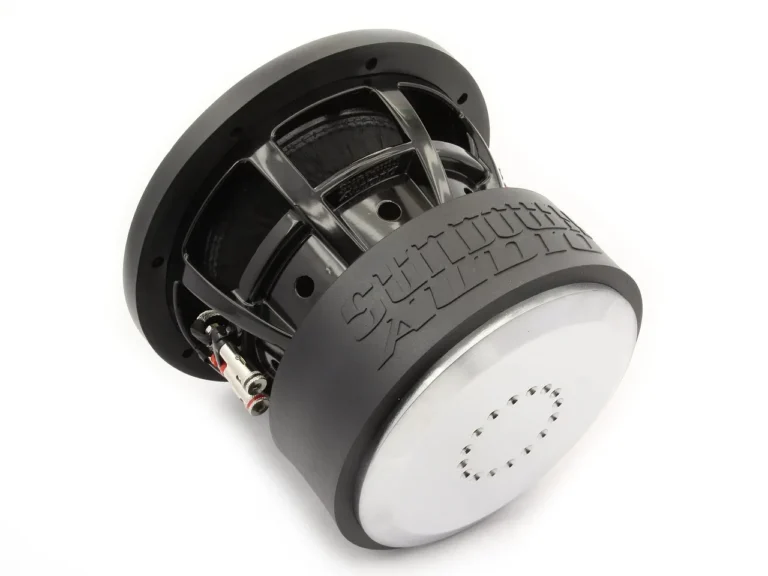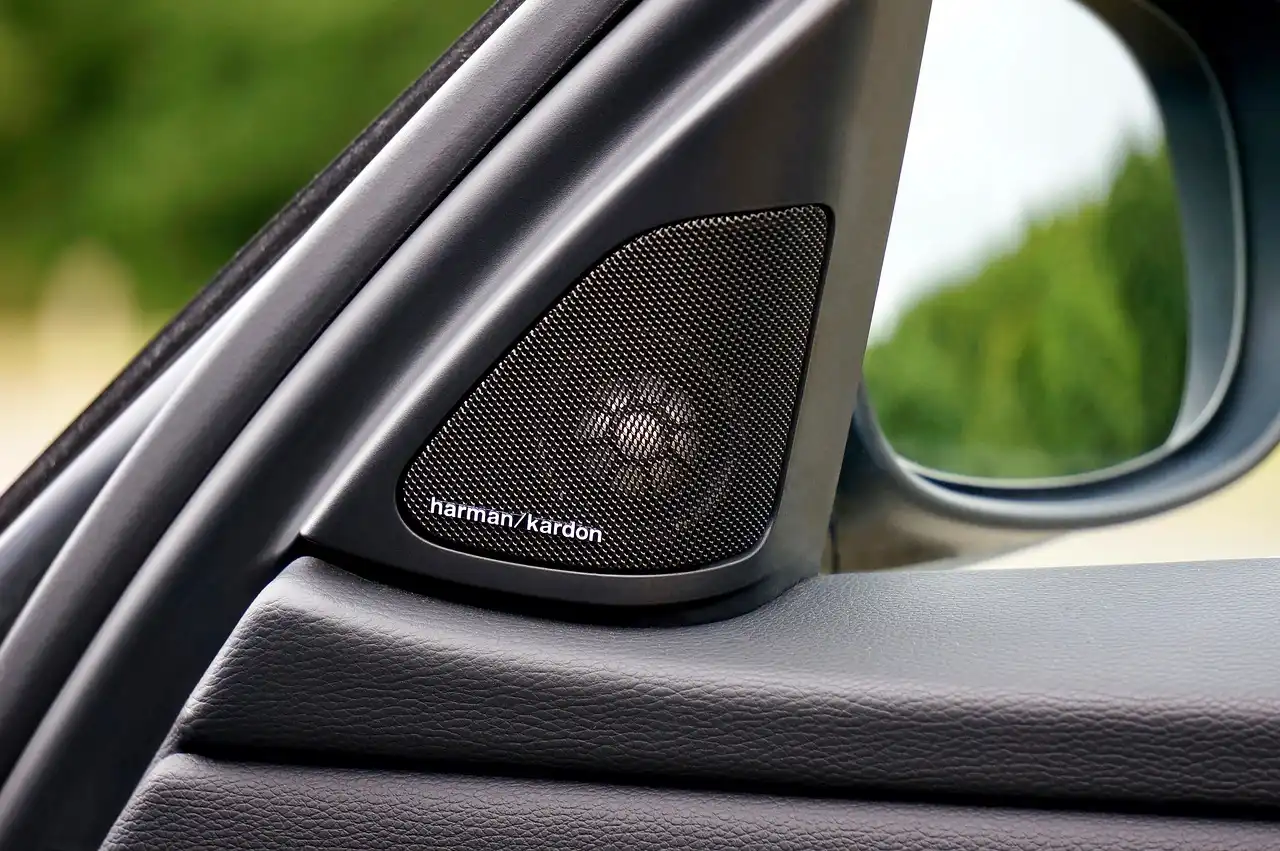
Speaker sizes chart for cars: common sizes and fit
Many cars commonly use 6.5-inch, 6×9-inch, 5.25-inch, or 4-inch speakers, but size alone does not guarantee fit; check mounting depth, cutout diameter, and whether you need adapters. Miss those details, and you can get rattles, blocked windows, or speakers that will not bolt in. This guide maps common speaker sizes and the hidden fitment limits that matter before you buy replacements.
What size speakers fit my car?
Most cars use speaker sizes from 4 inches to 6×9 inches, but the exact fit depends on the opening, depth, bezel shape, and mounting pattern. A speaker that matches the nominal size can still miss the factory cutout, hit the window track, or need a bracket to mount cleanly.
Quick chart of common car speaker sizes
| Speaker size | Likely location | Shape | Typical RMS power | Top two clearance checks |
|---|---|---|---|---|
| 4-inch | Dash | Round | 20-30W | Mounting depth; bezel opening size |
| 6.5-inch | Front doors | Round | 50-100W | Mounting depth; screw pattern or adapter ring |
| 6×8-inch | Rear doors | Oval | 50-75W | Cutout shape; mounting depth and bracket clearance |
| 6×9-inch | Rear shelf | Oval | 75-150W | Deck opening shape; magnet and trunk clearance |
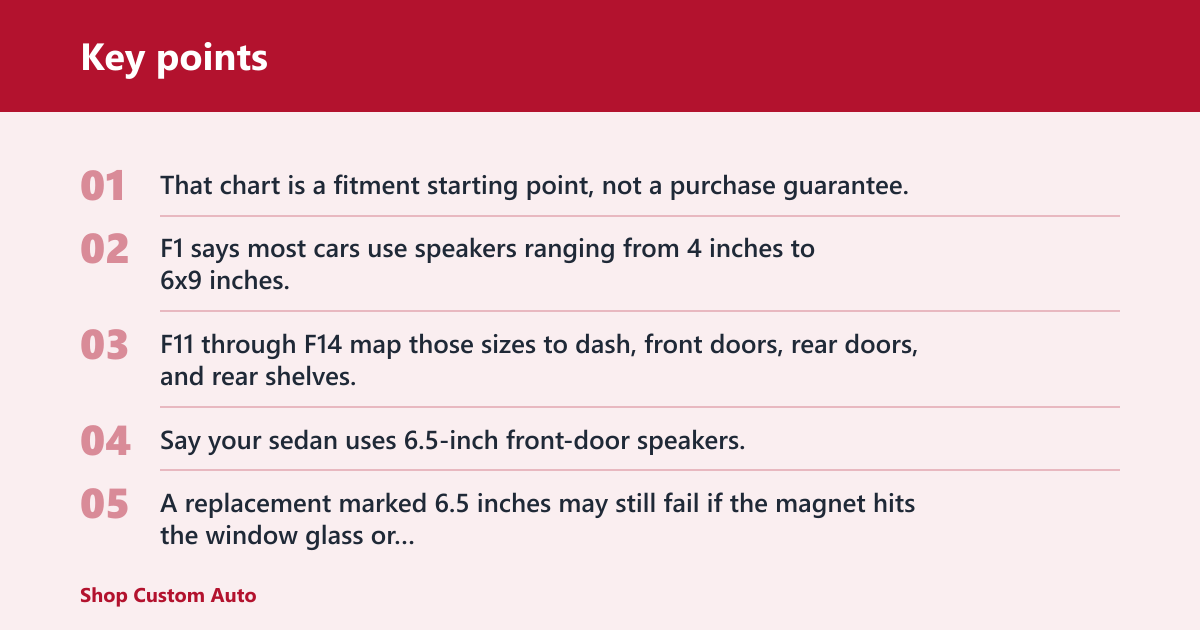
That chart is a fitment starting point, not a purchase guarantee. F1 says most cars use speakers ranging from 4 inches to 6×9 inches, and F2 through F3 identify 6.5 inches and 6×8 inches as particularly common sizes. F11 through F14 map those sizes to dash, front doors, rear doors, and rear shelves.
Say your sedan uses 6.5-inch front-door speakers. A replacement marked 6.5 inches may still fail if the magnet hits the window glass or the basket sits too deep for the factory opening. Nominal size is only one part of the fit.
How do I know what size speakers are in my car?
Check the vehicle manual first, then measure the installed speaker or verify fitment by exact vehicle details. F4 says factory speaker sizes can be checked in the vehicle manual, and F5 and F6 add direct measurement and online research as recommended verification methods.
How to check the right size
- Check the vehicle manual for factory speaker sizes and locations.
- Measure the installed speaker if you can reach it safely.
- Use online fitment research by make, model, year, and trim.
- Ask a car audio specialist if the fit is still unclear.
If you can remove a grille or access panel, measure the speaker frame, the cutout, and the depth available behind the opening. Keep the battery disconnected while you work, so a short circuit or airbag-related mistake does not complicate the job.
Online fitment research helps, but use it as a second check, not the only one. F8 warns that a common mistake is assuming all vehicles of the same make and model use the same speaker size, and F9 says trim levels or production years can change fitment.
Why same-size speakers still may not fit
Nominal diameter does not tell the whole story. Speaker mounting depth can block the window, the magnet can hit the door structure, and the bezel shape or screw pattern can prevent a flush mount. F10 states plainly that speaker depth can affect fitment.
What changes fit even when the size matches
- Mounting depth: a deeper basket can interfere with glass, ducting, or sheet metal.
- Bezel shape: a round frame may not cover an oval factory opening.
- Screw pattern: the holes may not line up with the original mounting points.
- Adapter brackets: some vehicles need a spacer or adapter ring to mount correctly.
Picture a hatchback with shallow dash speakers. A 4-inch replacement may match the opening, but a deeper magnet can sit too close to the windshield trim or HVAC duct. In that case, a shallower model or a spacer setup may be the better route.
Can I install larger speakers in my car?
Sometimes, but only if the larger speaker fits the opening and clears nearby parts. A larger nominal size can work with an adapter ring or bracket, yet door or dash space may stop the upgrade. Depth matters as much as diameter, especially in tight factory locations.
When a larger size can work
- The opening can accept the larger cutout or an adapter plate.
- The magnet clears the window, latch, or rear-deck brace.
- The bezel covers the gap left by the new frame.
- The screw pattern can be adapted without weakening the mount.
When a larger speaker does fit, the hardware still needs to hold it securely and keep the cone centered. If the opening is too small or the depth is too tight, forcing the install is a bad idea. That can create rattles, air leaks, and poor sound output.
Fitment matrix: size, location, shape, and clearance checks
This matrix separates nominal size from the actual checks that decide whether the speaker fits. Use it after you confirm the factory size in the manual or by measurement. If any clearance item looks questionable, stop before ordering.
| Size | Likely location | Shape | Top two clearance checks | Fitment note |
|---|---|---|---|---|
| 4-inch | Dash | Round | Depth behind the dash; opening diameter and bezel coverage | Small size, but shallow space is common. |
| 6.5-inch | Front doors | Round | Window and regulator clearance; screw pattern or adapter ring | One of the most common replacement sizes. |
| 6×8-inch | Rear doors | Oval | Oval cutout match; depth and magnet clearance | Oval format changes the mounting problem. |
| 6×9-inch | Rear shelf | Oval | Deck opening size; trunk or rear-structure clearance | Larger common factory and replacement format. |
This matrix also shows why a car can accept the same nominal size in one position and reject it in another. A 6.5-inch front-door speaker may fit with an adapter, while a 6×9 in the rear shelf can fail because the basket is too deep or the rear deck opening is smaller than expected.
Where common sizes usually sit in the car
- 4-inch: dash
- 6.5-inch: front doors
- 6×8-inch: rear doors
- 6×9-inch: rear shelves
What if your new speakers do not fit?
Do not force the install. Recheck the return window, compare the part number against the vehicle manual and fitment notes, and measure the old speaker or opening again. If the size is right but the depth, shape, or bracket pattern is wrong, adapter hardware may solve it; if not, exchange the speaker.
What to do next
- Confirm the old speaker size and mounting depth.
- Check whether the issue is cutout shape, depth, or screw pattern.
- Look for a spacer, adapter ring, or vehicle-specific bracket.
- Stop and get help if the window, brace, or bezel clearance is marginal.
A common first-timer mistake is buying a speaker by nominal size alone, then finding that the mounting tabs do not line up. In that case, an adapter may save the install, but only if it preserves depth clearance and keeps the cone centered in the opening.
Should I use a professional if I’m unsure about fitment?
Yes, if the manual is unclear, the opening is hard to access, or the vehicle has trim-level differences that change the speaker location. A car audio specialist can help identify the correct size and fitment. F7 supports that as a valid verification option when the fit is uncertain.
That help matters most when the job involves hidden brackets, shallow dash space, or factory systems that vary by production year. If you are not sure whether a 6.5-inch replacement needs an adapter, or whether a 6×9 will clear the rear deck, professional verification is a practical next step.
Frequently asked questions
What size speakers fit my car?
Most cars use speakers from 4 inches to 6×9 inches, but exact fit depends on the opening, depth, and mounting style. Start with the vehicle manual, then confirm by direct measurement or fitment research for your exact make, model, year, and trim before buying.
How do I know what size speakers are in my car?
Check the vehicle manual first, then measure the installed speaker if you can access it safely. If that is not enough, use online fitment research by year and trim. A car audio specialist can help when the factory information is incomplete or conflicting.
Can I install larger speakers in my car?
Sometimes, yes. A larger speaker can work if the opening, depth, and mounting pattern allow it, often with adapters or brackets. If the magnet hits the window or the bezel does not cover the opening, the upgrade is not a clean fit.
What if my new speakers don’t fit?
Stop before forcing the mount. Recheck the size, depth, cutout, and screw pattern, then compare them with the factory opening. If the mismatch is small, an adapter ring or bracket may solve it. If clearance is still tight, exchange the speaker.
Do I need to check speaker depth too?
Yes. Speaker depth can change fitment even when the diameter is correct, and it is one of the most common reasons a replacement fails. Check for window, brace, and magnet clearance before purchase, especially in doors and shallow dash locations.
Where are 4-inch, 6.5-inch, 6×8, and 6×9 speakers usually installed?
4-inch speakers are commonly in the dash, 6.5-inch speakers in the front doors, 6×8-inch speakers in the rear doors, and 6×9-inch speakers in the rear shelf. Those are common locations, not guarantees, so verify your exact vehicle before ordering.