Subwoofer phase normal or reverse: what the switch does
A subwoofer phase normal or reverse switch flips the woofer 180 degrees; use the setting that gives the strongest bass at the driver seat with the cleanest handoff, and if neither helps, placement or delay is the real fix. Wrong phase can cancel bass at the seat and make the system sound weak even when the sub is working hard. This guide explains what the switch does, how to choose normal or reverse, and when time alignment or repositioning should replace it.
What the subwoofer phase switch actually changes
The phase switch changes the subwoofer’s timing relationship with the main speakers, usually by flipping the output between 0 degrees and 180 degrees. On many powered subwoofers, that control is on the back panel and works alongside the built-in amplifier. It does not change treble or tone.
0 degrees versus 180 degrees
At 0 degrees, the sub is in the normal reference position. At 180 degrees, its output is reversed in polarity relative to the reference. Some brands label this as normal and reverse, while others print 0 and 180. Check the manual if the labels are not obvious.
For low frequencies, the point is not abstract “sound quality.” The point is whether the sub and main speakers arrive together at the crossover area. Subwoofer signals are often split from the mains by a crossover network using active electronics, including DSP. That crossover frequency is where phase mismatch is easiest to hear.
What powered subwoofers usually include
A powered subwoofer has a built-in amplifier, so the phase control is part of the sub itself rather than a separate box in the signal chain. BoomSpeaker describes phase control as adding an electrical delay to the incoming signal, which is why the switch can help with integration near the handoff point between speakers.
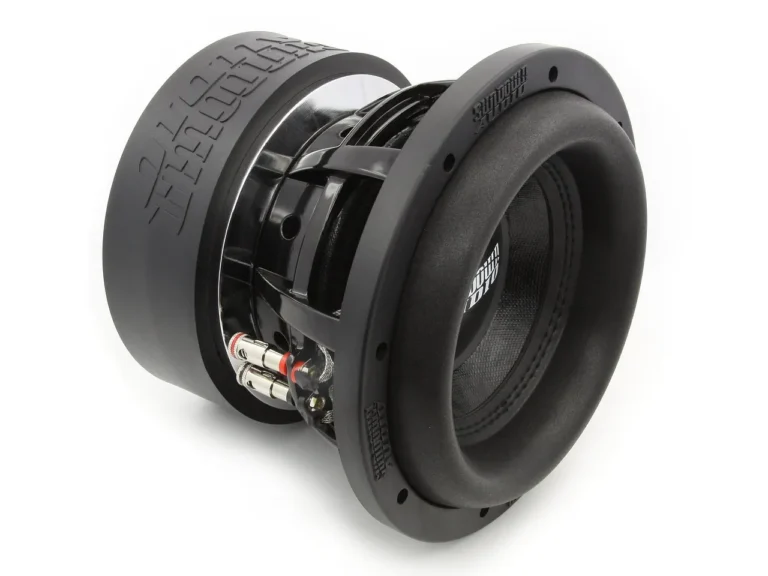
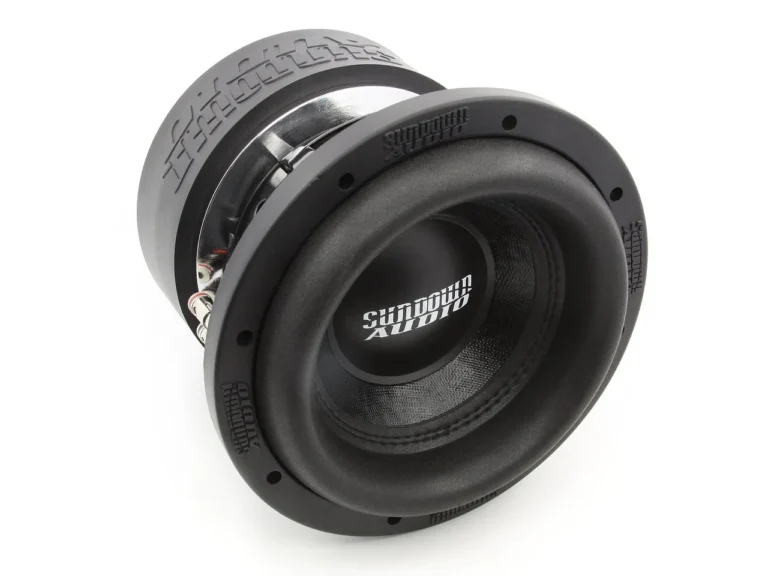
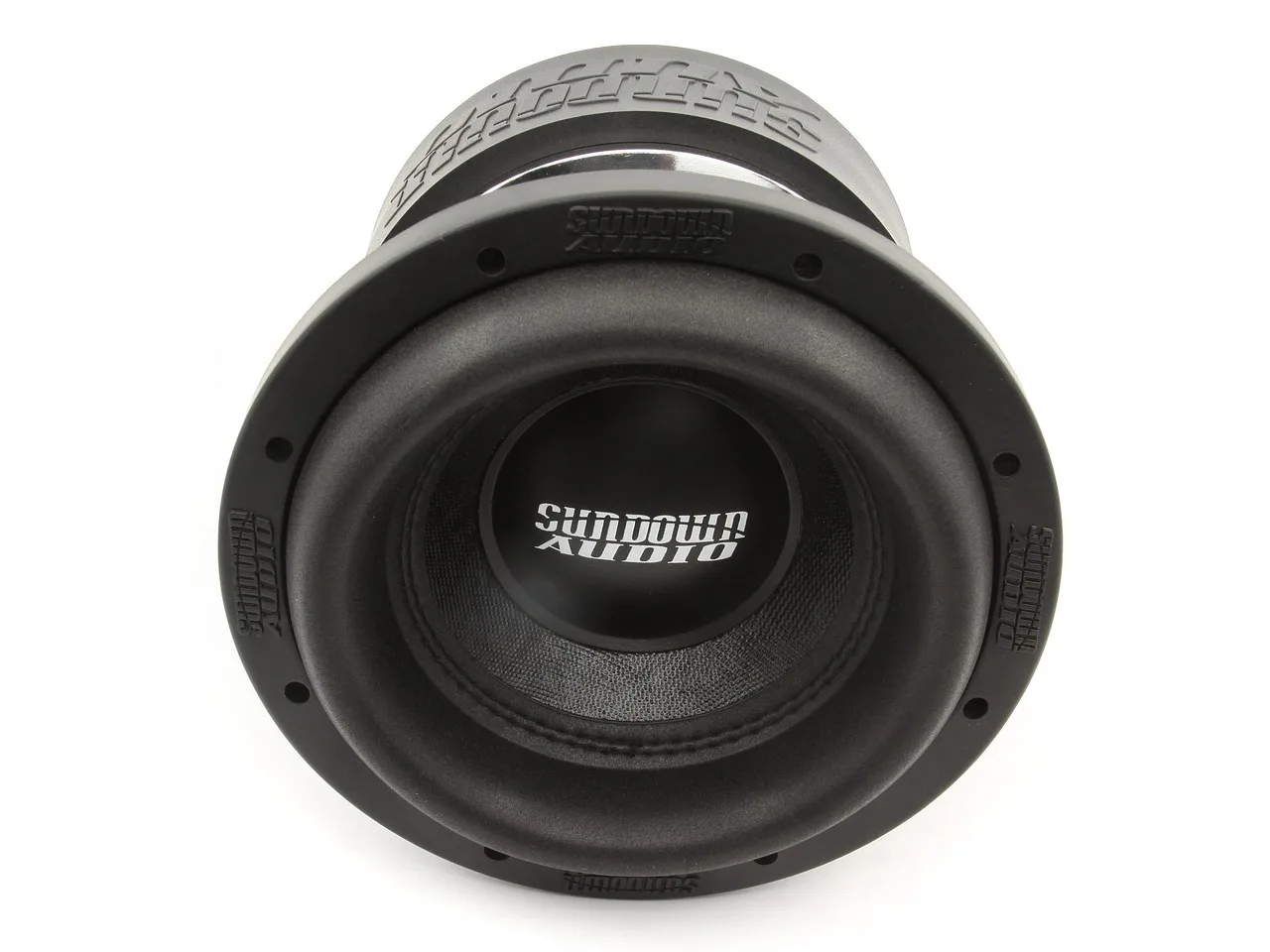
Subwoofers reproduce low-pitched audio frequencies, about 20–200 Hz for consumer products. In other words, this switch matters most where bass overlaps with the lower edge of the door speakers, not across the whole audio band. That is why it can change how “full” the system sounds without changing the sub’s raw output. (en.wikipedia.org)
📊 Professional live sound subwoofers are commonly below 100 Hz. Source: Subwoofer.
Why phase can make bass louder or softer
Phase changes how the sub’s wavefront meets the main speakers at your seat. If the waves add together, bass gets louder and cleaner. If they fight each other around the crossover, bass drops off. The same sub can sound different in the driver seat than in the passenger seat because car cabins are small and uneven.
How the listening position changes what you hear
The listening position matters because the driver seat is not centered in the car. Distances to the doors, dash, and trunk or hatch are different, so arrival timing is different too. A setting that sounds strong at the driver seat may be weaker at the passenger seat, and that is normal in car audio.
That is also why home-audio advice can mislead you. In a car, a phase setting that adds bass at one seat may partially cancel at another seat. The best setting is the one that gives the cleanest summation where you actually listen, usually the driver seat.
Why the crossover frequency is where problems show up
The crossover frequency is the sub-to-speaker handoff point. Around that point, the sub and the front speakers both produce output, so timing errors become easier to hear. THX-certified systems commonly use subwoofers below 80 Hz, and many consumer systems cross lower than the midrange, where timing still matters.
Suppose a system crosses the sub at 80 Hz. If the sub arrives slightly late, the bass around that handoff can thin out even if deep bass still plays. Flip the phase switch, and the overlap can improve or get worse depending on the seat and the box placement.
What louder bass usually means at the seat
A louder setting usually means better summation at the crossover region, not automatic correctness in every system. The right choice is the one that fills in the handoff cleanly and does not leave a hole in the bass. More output is useful only if it comes from constructive addition, not from a boomy peak.
| Setting | What it means | Typical seat-level result |
|---|---|---|
| 0 degrees / normal | Reference polarity | Best starting point; may give stronger handoff with some placements |
| 180 degrees / reverse | Opposite polarity relationship | Can restore bass at the crossover if the sub arrives too early or too late relative to the mains |
| Variable phase control | Some subs allow a range, often 0 to 180 degrees | More precise matching when a simple flip is not enough |
When should I use normal or reverse phase?
Start with 0 degrees as the baseline, then try 180 degrees and keep the setting that gives better bass handoff at the driver seat. Normal is not always “right,” and reverse is not always “wrong.” The useful setting is the one that blends the sub with the mains around the crossover.
Use normal as the first check
0 degrees is the normal starting point because it gives you a reference. Set the crossover, level, and sub location first, then listen to a familiar track with steady kick drum or bass guitar. If the bass sounds thin at the seat, reverse phase and compare again.
Choose the setting that fits the handoff
If reverse phase sounds fuller and more even at the driver seat, keep it. If it sounds weaker, go back to normal. The right answer is the setting that makes the bass line sound continuous through the crossover region, not the one that simply looks correct on paper.
Compare at the seat, not beside the box
The switch should be judged from the listening position. A sub that sounds strong near the enclosure may cancel at the seat. A common first-timer mistake is to stand by the box, hear plenty of bass, and assume the phase setting must already be correct. It may not be.
Can the phase switch fix weak bass at the driver seat?
Yes, sometimes. If the weak bass seems to come from a timing mismatch near the crossover, the phase switch can sometimes bring back some of the missing bass at the driver seat. It cannot fix every cause of weak bass, though. If placement or delay is the real issue, the switch only masks the problem.
When the switch helps
The switch helps when the sub and main speakers are close enough in level and crossover choice that a polarity change improves summation. That often happens with powered subwoofers that sit behind the seat, in a trunk, or under a seat, where path lengths are easy to disturb.
When box placement is the real problem
If the sub location creates a deep null at the listening position, phase alone will not fix it. Moving the box a small distance can change the path length enough to improve bass more than flipping the switch. In a car, inches can matter because the cabin is compact.
When DSP time alignment is the better fix
DSP time alignment can adjust arrival timing instead of only reversing polarity. That is different from a simple switch. If the sub needs a few milliseconds of delay to meet the front speakers at the seat, a head unit or external DSP can do more than a 0/180-degree toggle.
Why does the phase switch seem to do nothing?
The switch can seem useless when the crossover point, box placement, or seat location dominates the result. If the sub is far from the front speakers, or the crossover is set too high or too low, a polarity flip may not change much. That does not mean the switch is broken.
Crossover settings can hide the difference
If the crossover is set outside the overlap area, the sub and speakers may not interact enough for phase changes to be obvious. Subwoofer signals are often split by active electronics, including DSP, and the handoff matters most near that transition. Outside it, the switch can feel muted.
Placement can override the switch
When the sub sits in a spot that causes strong cancellation at the seat, reversing polarity may only trade one dip for another. That is why people sometimes hear no change at all. The cabin’s acoustics are controlling the result more than the switch is.
Signs delay or relocation matters more
If bass gets louder in one seat and weaker in another, or if the level changes a lot after moving the box a few inches, timing and placement are the bigger issues. In that case, a phase switch is only a rough tool. DSP delay or a different enclosure location is the better correction.
3-step decision checklist: switch, move, then align
Use this sequence when the bass at the driver seat is weak or uneven. First, flip between normal and reverse. Second, move the sub or box and retest. Third, compare the result with head-unit or DSP time alignment. The result at each step tells you whether phase, placement, or delay is the real cause.
- Flip between normal and reverse. Keep the crossover and level fixed, then listen from the driver seat. If one setting gives stronger, tighter bass around the handoff, choose it.
- Move the sub or box and retest. Shift the enclosure a small amount, then compare again. If the better setting changes after a move, placement is a major factor.
- Compare with head-unit or DSP time alignment. If the system improves when delay is added, you need timing correction, not only polarity reversal.
Does changing phase damage the subwoofer or amp?
No. Changing phase by itself is generally not something that would damage the subwoofer or amplifier. It changes the polarity relationship or effective electrical delay, not the power rating. The real risk comes from incorrect wiring, excessive gain, clipping, or using a setup the amp cannot drive safely.
What the switch does not do electrically
The switch does not make the sub work harder in a damaging way. It only changes how the signal lines up with the rest of the system. That is why it is a normal setup control on many powered subwoofers, not a risky modification.
When to check wiring instead
If the bass is absent, distorted, or intermittent, check the wiring before blaming phase. A reversed speaker wire, loose ground, or incorrect crossover setting can create problems that a phase switch cannot fix. Phase is for timing and summation, not for repairing bad connections.
How do you tell if your subwoofer is out of phase?
Out-of-phase bass usually shows up as a weak crossover region, not as a total loss of all bass. The most common clue is thin or hollow bass at the driver seat while the sub is clearly playing. If reversing the switch restores punch, the original setting was likely fighting the mains.
Common signs at the crossover region
Listen for a gap in kick drum impact, bass guitar notes that disappear, or low-end that sounds detached from the front speakers. Those signs point to cancellation near the crossover frequency. Deep notes below the handoff may still be present, which is why the issue can seem partial rather than total.
How to separate phase issues from EQ issues
EQ changes level by frequency; phase changes arrival timing. If a narrow boost fixes one bass note but leaves the handoff weak, EQ was the issue. If the whole crossover area fills in when you switch between normal and reverse, timing was the bigger problem.
Picture a sedan with a powered sub in the trunk, crossed around the usual bass crossover point. In one common setup, normal phase can sound thin at the driver seat, reverse phase can sound fuller, and moving the box a small amount can change the result again. That points to timing and placement, not a weak amplifier.
Frequently asked questions
Is normal the same as 0 degrees and reverse the same as 180 degrees?
Often, yes, but you should still check the manual. Many subs use normal for 0 degrees and reverse for 180 degrees. Some models offer variable phase control instead of only two positions, so the labels are not universal across every brand.
Why does my bass get louder in one phase setting?
One setting is probably lining the sub up better with the mains at the crossover frequency. When the waves add together, bass gets louder at the seat. When they partially cancel, it gets quieter. That change is often most obvious around the handoff point.
How do you tell if your subwoofer is out of phase?
Listen for weak bass at the crossover area, especially from the driver seat. If bass becomes fuller when you flip from normal to reverse, the original setting was likely out of phase with the front speakers at that seat. If neither setting helps, placement or DSP delay is probably the issue.