Component Speakers vs Coaxial Speakers: Which Should You Buy?
Buy coaxial speakers if you want the simplest upgrade. Choose component speakers when your car has a separate tweeter location, an external amp, and you can handle a more involved install. A bad match wastes money, limits output, or creates bright, uneven sound. This guide compares fit, power needs, sound, and install effort so you can choose the right set.
Component speakers vs coaxial at a glance
| Decision factor | Component speakers | coaxial speakers | Winner |
|---|---|---|---|
| Soundstage and imaging | Separate tweeter placement can move high frequencies up and out of the door. | Both drivers share one mounting point, so stage height is more limited. | Component speakers |
| Bass and midbass integration | Can play cleanly when crossed and aimed well, but needs proper setup. | Often integrates more simply with factory door locations and stock tuning. | coaxial speakers |
| Install difficulty | More wiring, more parts, and more mounting decisions. | Usually a direct swap with fewer steps. | coaxial speakers |
| Factory-radio friendliness | Often benefits from more power and careful sensitivity matching. | Usually an easier match for limited OEM power. | coaxial speakers |
| Fitment risk | Tweeter location, crossover space, and woofer depth can complicate the job. | Fewer extra parts usually mean fewer surprises. | coaxial speakers |
| Value for a basic upgrade | More cost and labor, but better payback in a properly built system. | Lower cost and easier return for simple OEM replacement. | coaxial speakers |
Soundstage and imaging
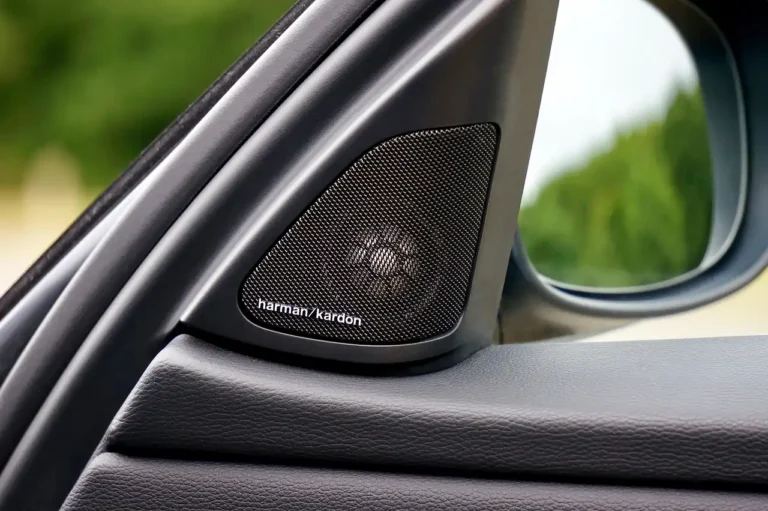
Component speakers win here because the woofer and tweeter are separate parts. That lets you mount the tweeter in the dash, sail panel, or A-pillar and aim high frequencies toward the listener, which usually improves staging and imaging.
coaxial speakers keep both drivers in one basket, so the sound comes from a single door or rear parcel location. That is simpler, but it usually gives you less control over where voices and cymbals seem to sit in the cabin.
Bass and midbass
Neither type produces subwoofer-level bass. The woofer handles midbass and midrange duties, and door mounting, cone size, and cabin sealing matter more than the speaker label alone.
Component speakers can sound tighter in the midbass when installed and crossed correctly. coaxial speakers often feel fuller in a stock door opening because they are easier to place and less dependent on careful tweeter and crossover setup.
Install difficulty and fitment risk
coaxial speakers usually win for speed. In many cars, you remove the factory speaker, verify mounting depth, and reinstall with the correct adapter or spacer ring.
Component speakers add extra steps. You need a place for the tweeter, room for the crossover, and enough door depth for the woofer and its magnet without hitting the window glass.
Factory-radio friendliness, amp dependency, and value
A factory head unit often has limited power output and narrow tuning control. That matters because low-sensitivity speakers can sound quiet or flat on OEM power, even if the paper specs look strong.
coaxial speakers are often the safer match when you are keeping the stock radio. Component speakers tend to shine more when an amplifier provides clean headroom, since power helps them control the woofer and bring the tweeter into balance.
What is the difference between component and coaxial speakers?
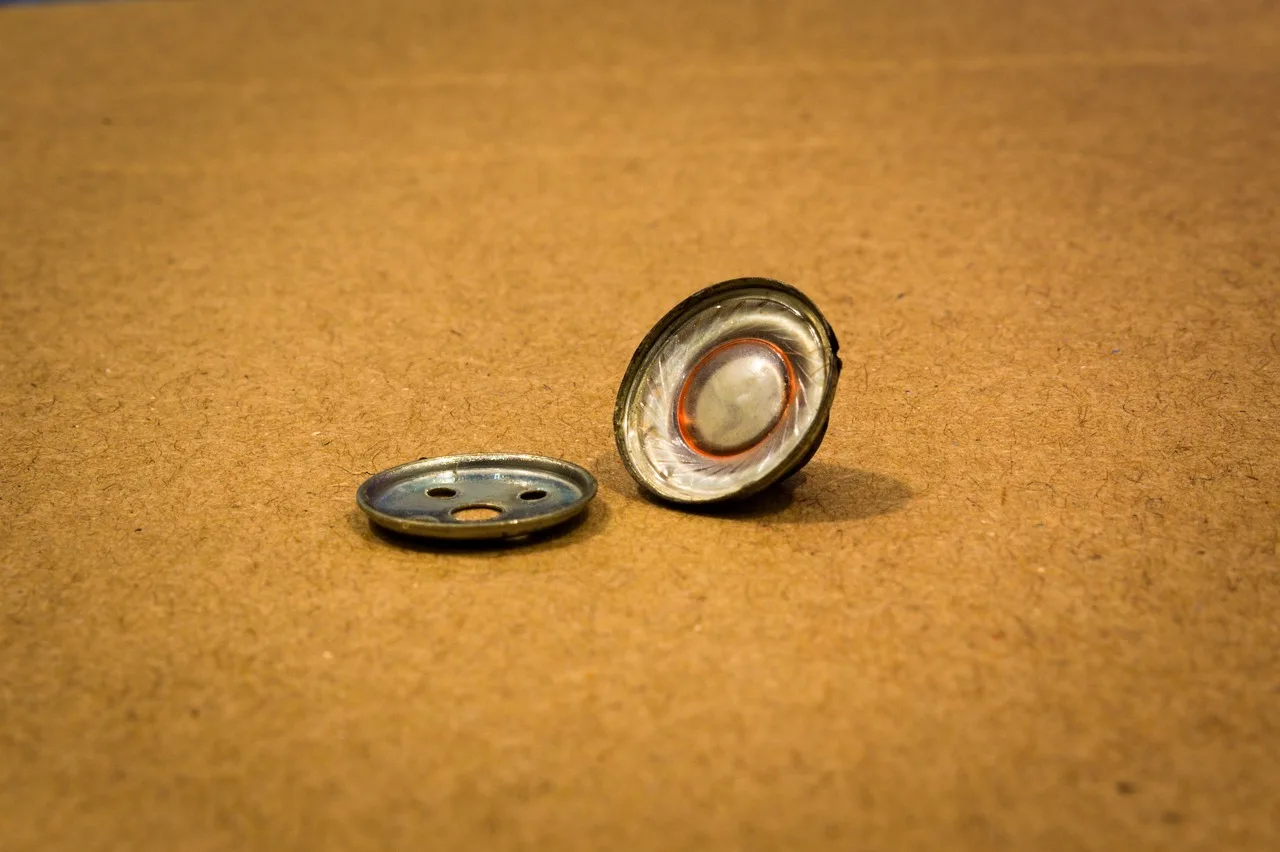
Component speakers use a separate woofer, a separate tweeter, and an external crossover. Coaxial speakers put the tweeter on the woofer assembly in one basket, which can reduce parts and wiring and may shorten install time while keeping the basic door-swap format.
The practical difference is placement control. With component speakers, you can place the tweeter higher and aim it. With coaxial speakers, the woofer and tweeter share the same physical location, which makes the system easier to fit but harder to stage.
Which one sounds better?
Component speakers usually sound better when the goal is imaging, stage height, and cleaner separation between voices and instruments. The separate tweeter lets you place high-frequency output where your ears can use it, instead of burying it low in the door.
coaxial speakers can still sound very good, especially as a clear upgrade over tired factory paper cones. The gap shrinks when the stock system is weak, the car has poor door acoustics, or the install leaves a component set underpowered or poorly aimed.
Why separate tweeters improve staging
Tweeters handle the high-frequency output that defines vocal clarity, snare attack, and cymbal detail. When that driver sits in the dash, sail panel, or A-pillar, the sound can arrive higher and more directly, which helps create a believable front stage.
How coaxials trade staging for simpler integration
coaxial speakers keep the tweeter on-axis with the woofer, so installation is easy and the parts stay matched in one frame. The tradeoff is less placement freedom, which usually means a lower stage and less precise imaging in the front seats.
When a coaxial upgrade can still sound cleaner than stock
Say your factory speakers are already distorted and the radio is underpowering them. A well-matched coaxial set with decent sensitivity can sound cleaner, louder, and more balanced without extra wiring or amplifier work.
Can you run either one from a factory radio?
Coaxial speakers are often the safer choice on factory power. A stock head unit often has limited output, built-in EQ, and aggressive tuning that can expose mismatched sensitivity or make a component set sound thin before an amplifier enters the system.
Component speakers can work on OEM power if the set is efficient and the crossover is sensible, but low sensitivity is a common problem. If the speakers need more current than the radio can supply, the result is weak output, poor dynamics, and little improvement over stock.
Factory head unit limits
Many factory head units are tuned for easy load handling, not for high output into demanding aftermarket drivers. That means sensitivity matters more than many buyers expect, because a few dB of efficiency can be the difference between usable volume and a strained upgrade.
When a component set needs an amplifier
Component speakers benefit most from clean power headroom when you want louder output, better control of the woofer, and a tweeter that stays composed at volume. An amplifier also helps when the crossover and door speakers need more room to breathe than the stock radio can give them.
When coaxials are the safer match for OEM power
If you are keeping the factory radio and want a low-risk upgrade, coaxial speakers are usually the better starting point. They are often more forgiving of OEM EQ, easier to power, and less likely to feel overcomplicated in a simple daily-driver build.
Installation and fitment
Installation details often decide the winner before sound quality does. Door depth, adapter availability, window clearance, and where you can mount the tweeter all shape the final result more than the brochure claims do.
Tweeter mounting locations: dash, sail panel, and A-pillar
Component speakers need a tweeter location that makes sense for the cabin. Dash mounts are common when the car already has small factory openings, sail panels work well for many two-way front stages, and A-pillars offer strong aiming control when the build justifies the extra work.
Woofer depth, door clearance, and spacer rings
Woofer fitment is about more than cone size. A 6.5-inch driver may still hit the window regulator if the mounting depth is too tall, which is why spacer rings and adapter brackets matter in many door swaps.
Say your car accepts a 6.5-inch speaker but the new magnet sits deeper than the factory part. Without a spacer ring, the window may contact the basket during full down travel, and the install becomes a no-go even though the diameter looked correct on paper.
Crossover wiring and what it adds to the job
Component speakers use a crossover to split frequency content between the woofer and tweeter. Passive crossovers sit between the amplifier or radio and the speakers, while active crossovers need separate channel control, which can add wiring and setup but gives more tuning control.
The crossover also protects each driver by keeping low frequencies away from the tweeter. That extra box and the extra wiring are part of the reason component sets take longer to install and troubleshoot.
What should you buy for your build?
Choose the speaker type based on the car, the source, and how much installation work you want to take on. Better sound is not the same as better bass, and a smart choice starts with where the speakers will live and how much clean power they will get.
OEM replacement
For a straight replacement, coaxial speakers are usually the right call. They fit more cars with fewer parts, work better with factory power, and keep the install close to stock while still fixing worn-out speakers.
First upgrade
For a first upgrade on a daily driver, start with coaxial speakers unless the car already has a useful tweeter location and you plan to add an amp soon. That keeps the job simple while still leaving room for a later front-stage move.
SQ build
For a sound-quality build, component speakers are the stronger pick. They give you better control of imaging, more placement options, and a cleaner path to a true front stage when paired with proper power and careful tuning.
Budget build
For a budget build, coaxial speakers usually give the better return. You spend less on parts and labor, and the money saved can go toward a subwoofer, sound deadening, or an amplifier that improves the whole system.
Component and coaxial buyer guide
Use the matrix below to match the speaker to the car, then match sensitivity and power handling to the source. A high RMS rating does not help if the radio cannot feed it, and a good tweeter location does not matter if the woofer will not fit the door.
- Check whether your car has a usable tweeter location and enough door depth for the woofer.
- Decide if you will keep the factory radio or add an amplifier.
- Compare sensitivity first if you plan to run stock power.
- Match RMS power handling to the amplifier output, not the peak number on the box.
- Choose component speakers only if the added install work fits your tolerance and your goals.
| Buyer type | Best pick | Why |
|---|---|---|
| OEM replacement | coaxial speakers | Fast fitment, easier factory power match, lower risk. |
| First upgrade | coaxial speakers | Simple install and solid improvement without extra system work. |
| SQ build | Component speakers | Best control over tweeter placement, staging, and front-seat imaging. |
| Budget build | coaxial speakers | Lower total cost and fewer install parts leave more money for the rest of the system. |
Choose Component speakers if… / Choose coaxial speakers if…
Choose Component speakers if… you have an amplifier or plan to add one, your car offers a sensible tweeter mounting spot, and you want the best front-stage imaging. They also make more sense when you are willing to deal with crossover wiring, door-depth checks, and a longer install.
Choose coaxial speakers if… you are keeping the factory radio, want a simpler replacement, or need the safest fitment path in a daily driver. They are the better choice when convenience, cost, and OEM-style installation matter more than the last step of imaging performance.
Frequently asked questions
Should I buy component speakers or coaxial speakers?
Buy component speakers if you want stronger imaging, separate tweeter placement, and you are ready for more install work or amplifier support. Buy coaxial speakers if you want an easier swap, lower cost, and a better match for factory radio power in a normal daily driver.
Are component speakers better than coaxial speakers for sound quality?
Often yes, but only when the install and power source support them. Component speakers can image better and sound more open, yet a poorly powered or badly aimed set can lose that advantage fast. A good coaxial upgrade can beat a bad component install.
Are coaxial speakers good enough without an amplifier?
Yes, often they are the safer choice for a stock radio. Their simpler design and usually friendlier sensitivity make them easier to drive from factory power. Just make sure the impedance, sensitivity, and mounting depth fit your vehicle and head unit.
Do component speakers need a crossover?
Yes. The crossover splits frequencies so the woofer and tweeter each get the range they can handle. Without that split, the tweeter can receive low-frequency energy it cannot survive, and the sound balance will be wrong even if the speakers are wired correctly.
What should I buy for better bass, component or coaxial speakers?
Neither type is a substitute for a subwoofer, but coaxial speakers often feel like the easier bass-friendly choice in a simple system. If your goal is stronger midbass, look at woofer size, door sealing, power, and fitment first. The speaker type matters less than the whole setup.