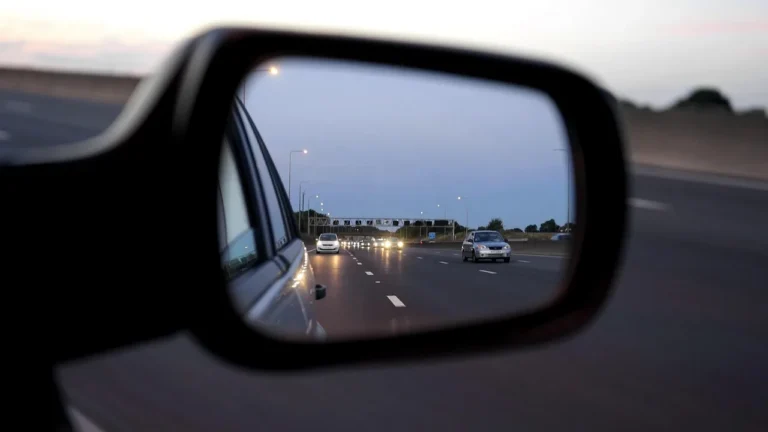
Best License Plate Camera Features for Older Cars
For older cars without factory tech, commonly recommended license plate camera features include a wide 120°-170° view, strong low-light performance, adjustable parking guidelines, and a simple wired power setup. Skip them and you get blind spots, night-time guessing, and installs that fail because the camera cannot work with your car’s aging wiring. This guide ranks each feature by real-world payoff, retrofit difficulty, and compatibility risk so you can choose the right license plate camera.
Choosing the right camera specs for older cars
The best overall fit for an older car is a license plate camera with a rear-plate mount, night vision, adjustable guide lines, mirror/normal switching, and either a wired monitor or a phone connection that matches your cabin layout. That mix handles rear visibility, dark parking, and display compatibility first.
Why does this feature mix win?
Rear-plate mounting is often the least disruptive path for many older cars because it avoids reliance on the factory harness and usually avoids drilling. Night vision matters more on older cars than on newer ones because there is no OEM screen system helping with brightness or display behavior in a dark driveway. Adjustable guide lines and image orientation controls reduce setup mistakes after the camera is installed.
Who should skip this setup?
Skip a phone-based or wireless-heavy setup if you need instant reverse feedback with no pairing step, or if your phone mount will block the shifter, controls, or air vents. Also skip any camera that lacks mirror/normal switching if the listing does not clearly say how it handles universal mounting. That problem shows up fast on older cars with odd trunk or plate angles.
Which license plate camera features matter most?
The most useful features are night vision, waterproofing, a useful viewing angle, adjustable guide lines, and a mirror/normal image switch. For an older car, the display path matters too: wired monitor, wireless monitor, or smartphone. The ranking changes with parking habits, but the rear-camera view itself should stay clear, stable, and easy to interpret.
Night vision
Night vision is the first feature to pay attention to if you park on the street or back into an unlit driveway. On an older car, the camera has to do more of the work because there is no OEM display system helping with brightness or screen behavior. A dark image turns reversing into guesswork.
Waterproof rating
Water resistance is baseline, not a bonus. Rear-mounted cameras sit in road spray, rain, slush, and grime, so IP68 or IP69/IP69K listings make more sense than vague weatherproof claims. IP69 and IP69K are not always interchangeable in marketing, so it is smarter to read the actual listing details than to assume the label alone tells the full story. For an older car, this matters even more because corrosion, weak seals, and tired wiring can turn a minor leak into a repeat failure.
Viewing angle
Wide angles help you see the bumper corners and curbs, but there is a tradeoff. Very wide lenses can bend the image enough to make distance feel odd, especially near the edges of the frame. For most older cars, a wide viewing angle in the approximate 135° to 170° range is often useful, with the wider end generally better for tight parking and the narrower end generally better for image realism.
Auxiliary guide lines
Adjustable guide lines help estimate the reverse path when the car has no backup sensors. They are most useful when you park close to curbs, posts, or another bumper. If the lines cannot be turned off, they can get in the way on a setup where the camera angle is already fixed low or high.
Mirror or normal image switch
Image orientation controls matter because universal mounting can produce a mirrored or upside-down picture if the system is not set correctly. On older cars, there is no factory screen logic to save you from that. A mirror/normal switch is a small feature that prevents a frustrating installation problem.
Say your sedan has a short rear overhang and you parallel park on a street with poor lighting. A camera with 170° viewing and 0 LUX night vision will help more than a plain wide-angle unit with no low-light claim, because the curb and rear corner stay visible when the headlights do not reach the lane behind you. Just remember that “0 LUX” is a marketing claim that can vary with sensor quality and infrared implementation, so the actual image still matters.
Should I choose wired or wireless for an older vehicle?
Wired is usually the safer choice if you want the fewest compatibility surprises. Wireless is useful when running a cable from the trunk or hatch to the cabin would be a long, awkward job. The right choice depends on latency tolerance, power access, and how much cable routing your car will allow.
Wired setups
Wired systems are the better fit when you want a steady image and simple troubleshooting. They are also easier to trust in older vehicles with metal body panels, aging weather seals, or cabin interference that can complicate radio links. The downside is cable routing, which can be tedious on a sedan with a long cabin or a hatch with trim panels.
Wireless setups
Wireless setups reduce routing work, which helps when the car lacks factory infotainment or easy access behind the dash. They are not free of tradeoffs. Latency, pairing stability, and wireless range matter, and those issues are more annoying on older vehicles because you do not have an integrated screen environment to smooth them out.
Where latency matters most
Latency matters most when you reverse into tight parking, back up near a trailer, or line up beside a curb with little margin. A delay of even a fraction of a second can make the image feel disconnected from the steering input. For slower, straight backing, wireless lag is less of a problem.
What night vision specs are worth paying for on an older car?
Pay for a clear low-light claim, preferably 0 LUX visibility or a comparable night-vision statement, before you pay extra for a wider list of features. Infrared LEDs can help, but the real question is whether the image remains usable in an unlit driveway or on a dark street. Older cars need that more than flashy packaging.
0 LUX claims
A 0 LUX claim means the camera is designed to show a usable image in very low light. That is the spec worth paying attention to if you reverse after dark. It is especially useful for older cars because the cabin may not have a bright, integrated display that compensates for poor lighting.
Infrared LEDs
Infrared LEDs can help a camera see in dark conditions, but they are not a substitute for a usable sensor and lens. Watch for listings that pair infrared with a low-light claim instead of relying on the LEDs alone. If the camera overexposes reflective plates or headlights, the extra light may not help much.
Low-light use in driveways and street parking
For driveway parking, the useful test is simple: can you see the edge of the driveway, the rear bumper, and any obstacle behind the car without turning on extra lights? If the answer is no, the camera may be too weak for older-car use at night. A bright screen cannot fix a poor image.
Do I need a monitor or can I use my phone with a license plate camera?
You can use either, but the right choice depends on how the car is driven and where the phone would live during reverse maneuvers. One wireless option connects to a smartphone instead of a separate monitor, and the listed phone-connected camera supports iOS and Android. That makes phone use practical for some older cars, but not all.
Phone app support
Phone support can replace a dedicated monitor when the cabin has no screen and you do not want a dash display. The phone-connected camera in the sourced listing advertises iOS and Android compatibility. It also claims up to 50 meters of wireless connection distance, 170° viewing angle, 0 LUX night vision, IP68 waterproof and vandal proof construction, auxiliary reversing guidelines, mirror or normal image switching, and DC12V/24V power supply support. Those compatibility claims are useful, but the connection still has to stay stable in your cabin layout and the image still has to arrive fast enough for reversing.
Phone mounting and setup limits
The tradeoff is setup. You need the app configured, the phone mounted securely, and the display positioned where it does not block controls or distract you. A no-screen setup can work well, but only if you are comfortable with pairing and with placing the phone where it stays readable during a reverse maneuver.
When a dedicated monitor is better
A dedicated monitor is better when more than one driver uses the car, the phone battery is unreliable, or you want the display always ready when the car is in reverse. That is why listings with a 4.3 inch monitor, a 7 inch monitor, or a 7 inch monitor bundled with a wireless 1080P HD camera still matter for older vehicles. They reduce setup friction.
How does the license plate camera decision matrix score?
This table ranks the must-have features by safety payoff, install difficulty, and compatibility risk for older cars. The last column points to the most practical fit by vehicle type and display setup.
| Feature | Safety payoff | Install difficulty | Compatibility risk | Best fit |
|---|---|---|---|---|
| Night vision / 0 LUX | High | Low | Low | Sedan, SUV, truck, night parking |
| Waterproof rating IP68 or IP69/IP69K | High | Low | Low | Daily driving, wet climates, winter roads |
| Viewing angle 135°-170° | High | Low | Medium | SUVs, trucks, curb parking |
| Auxiliary guide lines | Medium | Low | Low | No-sensor cars, tight parking |
| Mirror / normal switch | Medium | Low | Medium | Universal installs, mixed display types |
| Wired power setup | High | Medium | Low | Most older cars with a stable reverse light circuit |
| Wireless connection | Medium | Low | Medium | No-screen cabins, difficult cable routing |
| Phone app support | Medium | Medium | Medium | Drivers who want no dedicated monitor |
For a sedan, the safest balance is a wired camera with night vision, IP68 or better sealing, and adjustable guide lines. For an SUV, a wide-angle lens and image flipping matter more because the tailgate height changes the view. For a truck, the same wide view helps with trailer alignment and tailgate clearance. For a no-screen setup, phone compatibility becomes part of the core purchase, not an extra.
One common first-timer mistake is buying a wireless camera for a truck because the listing says the range is long enough, then finding that the cab layout makes the connection fine but the image delay still feels awkward while backing to a hitch ball. The issue is not range alone; it is latency plus the bigger turning radius.
How should I choose a license plate camera for my car?
Start with fit, then power, then display. Rear-plate mounting is the common no-drill path, but you still need to confirm that the plate bracket clears the trunk lid, hatch handle, or tailgate trim. After that, decide whether the camera will take power from the reverse lamp circuit, a fused accessory source, or a dedicated monitor kit.
- Check the rear mount. Confirm that the license plate area has room for the camera body and cable exit. On older cars, rusted plate screws or bent brackets can make a “no-drill” camera harder to fit than the listing suggests.
- Choose the display path. Decide between a monitor and a phone before you buy. A monitor reduces setup steps, while a phone can remove the need for a dash screen if you are comfortable mounting and opening an app every time.
- Match the lighting need. If you park in dark areas, prioritize a 0 LUX or strong night-vision listing. If you only reverse in daylight, a clear image and good guide lines may matter more than extra low-light hardware.
- Pick the right angle. Choose a wider view if you need curb and corner awareness, and a slightly narrower view if you want less distortion. Most older cars do best somewhere in the 135°-170° range.
- Confirm orientation controls. Make sure the listing says it can switch between mirror and normal view, and that guide lines can be turned on or off. Those two settings prevent common universal-install mistakes.
Suppose your SUV sits high enough that the rear bumper hides a curb when you back out of a tight space. In that case, a wider camera with adjustable guide lines is more useful than a narrow image with no markers, because the key problem is judging the last few feet behind the vehicle.
Can I use a license plate camera on a truck, SUV, or van?
Yes. License plate backup cameras work on trucks, SUVs, vans, and many trailers, but larger vehicles benefit more from a wide viewing angle and a sturdy mount. The main challenge is not category fit; it is making sure the image remains useful from a higher rear position and longer rear overhang.
Trucks
Trucks benefit from a wider field of view because the tailgate and bed can hide obstacles close to the bumper. A camera with image flipping, guide lines, and solid weather sealing is a better match than a basic unit with a narrow lens.
SUVs and vans
SUVs and vans often need the same wide-angle help, but the mounting height can change how much of the ground is visible. If the camera sits too high, the image may show too much horizon and not enough pavement. Adjustable guide lines help compensate, and tailgate height should be part of the fit check before purchase.
Trailers and RVs
For trailers and RVs, wireless can reduce cable routing, but only if the connection remains stable over the needed distance. A dedicated monitor may still be better than a phone when the vehicle is used for frequent towing or when more than one person needs to see the screen quickly.
What are the most common questions about license plate cameras?
Frequently asked questions
What features matter most in a license plate camera for an older car?
Start with night vision, waterproof sealing, a wide but not extreme viewing angle, adjustable guide lines, and image orientation control. Those features solve the most common older-car problems: dark parking, weather exposure, and installation mistakes from universal mounting. After that, choose wired or wireless based on cabin layout.
Will a license plate camera fit my car without drilling?
Many license plate cameras mount at the rear plate without drilling, which is one reason they suit older cars. Fit still depends on bracket shape, plate recess depth, and whether the camera body clears the trunk or hatch. Check the mount before buying, especially on cars with worn hardware.
How waterproof should a license plate camera be for daily driving?
For daily driving, IP68 is a strong baseline, and IP69 or IP69K is a solid pick if the car sees heavy spray, winter grime, or frequent wash exposure. Because the camera sits at the rear, water and debris hit it directly. Better sealing lowers the chance of early failure.
What viewing angle is best for backing up an older car?
A wide angle around 135° to 170° is the best fit for most older cars. Wider views help show curbs and bumper corners, which is useful in tight parking. Go toward the wider end for trucks and SUVs, but avoid extremely distorted images if distance judgment becomes hard.