Does Size of Speaker Matter in a Car?
Yes, speaker size matters in a car because it changes bass output, dispersion, and mounting fit, but the best size is the one that fits the door, depth, and crossover plan. Pick the wrong size and you can lose bass, get harsh off-axis sound, or spend money on adapters and labor that still do not solve fitment. This guide explains how speaker diameter, depth, location, and crossover choices affect real-world sound and which size makes sense for your car.
Does size of speaker matter in a car?
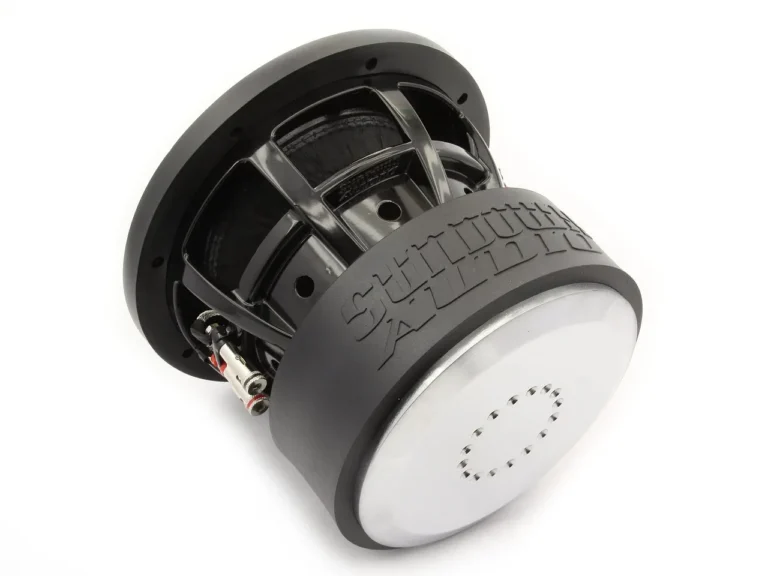
Yes. Speaker cone diameter, measured in inches, affects how much air the speaker moves, so it changes low-frequency output and directivity. That matters for bass, midbass, and how evenly sound reaches the driver and passenger seats. Size helps, but it does not decide the whole result.
That is why a 6.5-inch speaker can be a practical OEM replacement in a front door, while a 4-inch speaker often makes more sense in a compact dash opening. A larger cone can move more air, but the car still has to give it space, power, and a crossover plan that keeps it in range.
What size changes in real sound terms
In practical terms, larger speakers often carry low-frequency information with less strain. That is the part most people hear as fuller midbass or more body from kick drums and bass guitar. Smaller speakers tend to lose output earlier as frequency drops, which is why they often sound thin if you ask them to do too much.
Speaker size also affects where sound goes. As cone diameter grows, directivity becomes more noticeable, especially at higher frequencies. That means the sound can feel less even when you are not sitting directly on-axis.
Why size alone does not settle the decision
Size is only one variable. Mounting depth, door location, crossover point, and power handling can make a “correct” diameter fail in the car. A speaker can match the opening and still hit a window track, brace, or inner door panel before it seats fully.
Material and design matter too, but they do not erase fitment or system layout problems. A larger driver is not automatically better if the door cannot support it, the amplifier is weak, or the crossover sends it frequencies it cannot cleanly handle.
Speaker size decision table
This table gives a size-to-outcome view for common car speaker formats. It separates sound behavior from install reality, since those are not the same decision. Use it to compare bass, clarity, dispersion risk, and fitment before you buy.
| Size | Expected bass output | Clarity | Dispersion/directivity risk | Typical install difficulty | Wrong choice when… |
|---|---|---|---|---|---|
| 4″ | Limited | Good for upper mids and highs when crossed over properly | Lower bass energy, but limited low-end authority | Usually easier in compact locations | You want strong midbass or full-range door sound |
| 5.25″ | Moderate | Balanced for many factory-style door upgrades | Manageable if crossover and aim are correct | Moderate, depending on depth and adapter use | You need deeper bass without a subwoofer or extra tuning |
| 6.5″ | Strong for midbass | Common balance of output and control | More directivity than smaller sizes at higher frequencies | Moderate to difficult if depth is tight | The door lacks clearance or the system is crossed too high |
| 6×9″ | Stronger midbass and bass potential | Can sound full, but needs correct integration | Higher directivity risk if the install is not aimed well | Often harder because of space and depth | You have limited depth or no room for the oval opening |
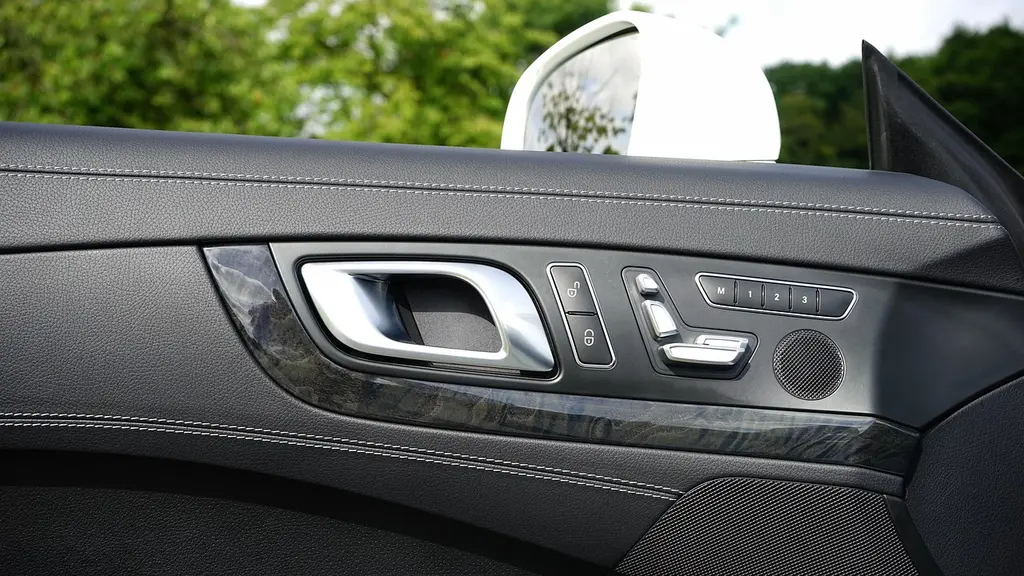
Most cars use speaker sizes ranging from 4 inches to 6×9 inches, and 6.5 inches and 6×8 inches are particularly common. A 6.5-inch speaker is often used in front doors. A 6×9-inch speaker is often used in rear shelves.
For power context, one comparison listed 6.5-inch speakers at 50-100W RMS and 6×9-inch speakers at 75-150W RMS. Those ranges do not make one size “better” by themselves. They only show that larger formats often sit in a different output bracket.
What do bigger car speakers actually change in sound?
Bigger car speakers usually change three things: bass output, sound dispersion, and how much the system asks of the door and crossover network. A larger cone moves more air, which helps low-frequency output, but it can also become more directional as frequencies rise.
That means a bigger speaker can sound fuller, yet it may also sound less even off-axis if the system is not designed around it. In a car, that matters because you rarely listen from the exact centerline of every driver.
Bass output and air movement
Speaker cone diameter affects how much air the speaker moves. That is the core reason larger speakers often carry low-frequency information better. A 6.5-inch driver usually has more low-end potential than a 4-inch driver, and a 6×9 can move even more air in the right enclosure and door setup.
But the speaker still needs a suitable operating range. Factory systems often use an 8- or 10-inch subwoofer for bass frequencies below 80 Hz, because door speakers alone are often not the right tool for that job.
Directivity and off-axis listening
Speaker directivity is related to cone diameter, not design or materials. As diameter grows, the speaker tends to beam more at higher frequencies. In a car, that can make one seat sound bright while another sounds dull, especially with poor aim or a bad crossover point.
That is why a larger speaker is not automatically a clarity upgrade. If the driver is listening off-axis, the bigger cone may give more midbass but less even upper-mid and treble balance.
Suppose your front doors hold 6.5-inch speakers, but the tweeters are mounted high in the A-pillars and crossed too low. The door speaker may try to play too far up its range, and the result can be a hot, uneven front stage instead of a cleaner handoff.
Why clarity can change with size
Clarity changes when the speaker is pushed outside its best range. A woofer in the door is commonly a 5.25-inch or 6.5-inch driver, and it works best with a crossover network that keeps it out of frequencies better handled elsewhere. A tweeter is the small high-frequency driver, typically crossed over around 4 kHz in a factory-style three-way system.
For a midrange driver, the crossover could be between 250 and 450 Hz. Those boundaries matter because they keep each driver where it performs best. Bigger speakers do not remove the need for that planning.
Will a larger speaker always give you more bass?
No. A larger speaker usually has more bass potential, but it does not guarantee more bass in the car. Cone area helps, yet bass also depends on enclosure behavior, door sealing, power delivery, and where the crossover lets the driver work.
A 6×9 can sound stronger than a 4-inch speaker in the same car, but it can still disappoint if the mounting depth is wrong, the door leaks air, or the head unit sends it frequencies it cannot handle cleanly.
Door location can limit low end
The door is not an ideal subwoofer box. Air leaks, panel flex, and glass movement all interfere with low-end output. That is one reason factory systems often use an 8- or 10-inch subwoofer for bass frequencies below 80 Hz instead of asking a door speaker to do all the work.
If more bass from the front stage is the goal, a 6.5-inch door woofer is often a better step than pushing a 4-inch speaker to do the job. But if the system already has a sub, a smaller midrange can sometimes sound cleaner and integrate better.
When a smaller driver can sound better
A smaller driver can sound better when the system is balanced around it. If the car has a proper subwoofer and good crossover points, a 4-inch or 5.25-inch speaker can cover upper bass and midrange with less strain. That often means cleaner vocals and less door resonance.
A common first-timer mistake is choosing the biggest opening-size speaker available and then crossing it too wide. The result is usually more installation hassle, not better sound.
Can speaker size affect fitment even if the opening looks the same?
Yes. The opening can look correct while the speaker still fails on depth, mounting ear shape, or bracket clearance. Mounting depth often decides whether the speaker fits more than nominal diameter does. Window track clearance and door brace clearance are common blockers.
This is why two speakers with the same diameter can fit very differently. The front lip may match, but the magnet and basket can hit the door structure before the speaker seats properly.
Mounting depth and clearance checks
Measure the opening, then check depth against the door hardware behind it. Larger speakers may require modifications because of mounting depth. That is a fitment issue, not a sound issue, and it can stop an otherwise correct-size upgrade from working.
- Check the vehicle manual for the listed speaker size.
- Measure the opening and the usable depth behind it.
- Look for window track, brace, and regulator clearance.
- Compare the speaker’s depth to the available space.
- Plan for spacers or adapters only if the problem calls for them.
Adapter rings and spacers
Adapter rings or spacers can solve fitment issues and help with drop-in installation. They are chosen for the problem, not the brand. A spacer can give the magnet more room or move the speaker out far enough to clear the glass, but it should not be used as a substitute for correct size selection.
If fitment is unclear, a professional installer can verify depth and mounting before parts are ordered. That often costs less than buying the wrong speaker twice.
How do size, depth, and crossover point affect car speaker performance?
Size gives you output potential, depth decides whether the speaker fits, and crossover point decides whether it operates in the right range. Those three decisions affect performance together. Ignore one of them, and the upgrade can sound worse than the factory setup.
The most common failure is not “too small” or “too big.” It is a mismatch between the speaker’s size, the door’s space, and the frequencies the system asks it to play.
Crossovers keep each driver in range
A tweeter should not be asked to handle midbass, and a door woofer should not be asked to play high treble.
That is why a proper system uses multiple speaker sizes, not one oversized driver trying to cover everything.
Power matching matters too
Do you need an amplifier if you upgrade to bigger speakers? Often, yes if the new speakers need more clean power than the factory radio can provide. The exact answer depends on sensitivity, RMS power handling, and how loudly you expect the system to play.
Do not use amplifier need as a proxy for speaker size. A 6.5-inch speaker may work on head-unit power in one car and need an amp in another, depending on the rest of the system.
What matters more than size for sound quality?
Size matters, but it is not the top factor once you move past basic fit. Crossover design, speaker placement, power match, and installation quality often have a bigger effect on sound quality than diameter alone. A well-integrated smaller system can outperform a poorly planned larger one.
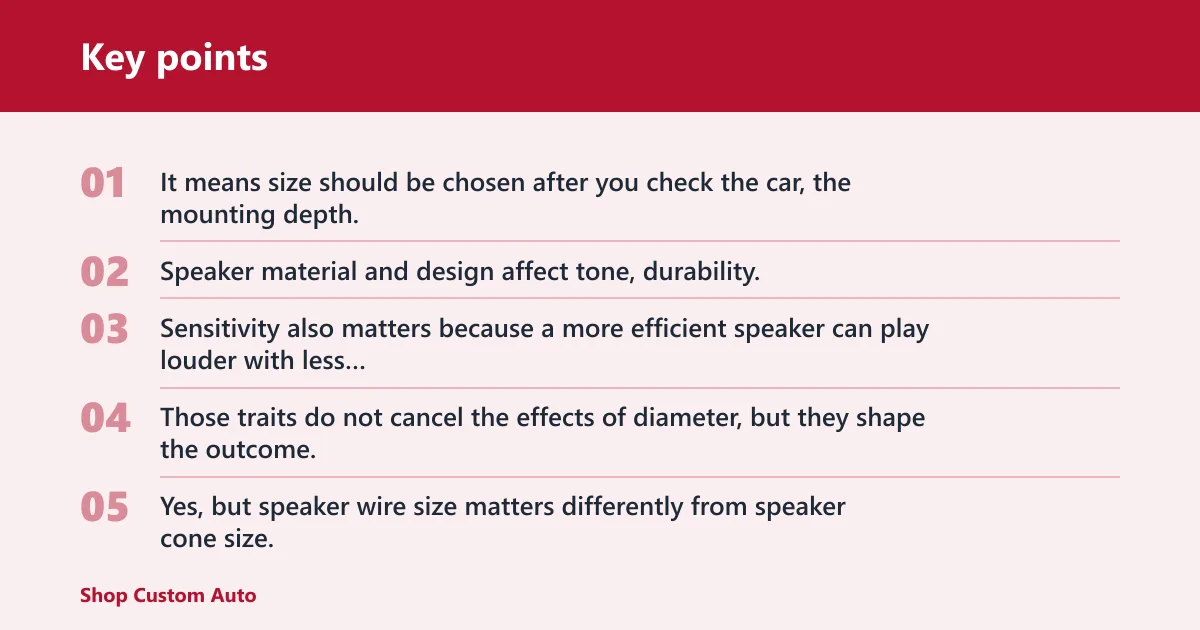
That does not mean size is irrelevant. It means size should be chosen after you check the car, the mounting depth, and the roles each driver will play.
Materials and sensitivity still matter
Speaker material and design affect tone, durability, and how easily the speaker plays at a given power level. Sensitivity also matters because a more efficient speaker can play louder with less amplifier power. Those traits do not cancel the effects of diameter, but they shape the outcome.
Speaker wire size is a separate decision
Does the size of speaker wire matter? Yes, but speaker wire size matters differently from speaker cone size. Wire gauge is about current delivery and system length, while cone diameter is about air movement and frequency behavior. Treat them as separate questions, not one upgrade.
If you are choosing between wire and speaker size, start with the speaker fit, crossover plan, and power needs first. Wire choice comes after that.
Best choices by goal
If you want balanced daily listening, a 6.5-inch front-door woofer is a common starting point. If you have a very tight opening, a 4-inch or 5.25-inch speaker may fit better and integrate more cleanly. If your goal is stronger midbass and you have room, a 6×9 can make sense.
Use the car’s space and system layout to decide, not diameter alone. That is the part most buyers skip.
Frequently asked questions
Does speaker size matter in a car?
Yes. Speaker size matters because it affects bass output, dispersion, and fitment. Larger cones usually move more air and handle low frequencies better, while smaller speakers often fit tighter spaces more easily. The right choice still depends on depth, location, and crossover setup.
Does size of speaker matter?
Yes, but only within the full system context. Diameter changes how much air a speaker moves and how it behaves off-axis, yet the car’s door space, mounting depth, and crossover point can matter just as much. A size that fits poorly can sound worse than a smaller, better-integrated option.
Will a larger speaker always give me more bass?
No. Larger speakers have more bass potential, but bass output also depends on door sealing, power delivery, tuning, and crossover limits. A 6×9 can outperform a 4-inch speaker in many setups, yet a poorly mounted larger driver can still sound weak or uneven.
Does the size of speaker wire matter?
It matters, but it is a separate issue from speaker diameter. Wire size affects current delivery and system length, while speaker size affects air movement, bass output, and directivity. Do not pick wire gauge as a substitute for choosing the right speaker size, depth, and crossover plan.