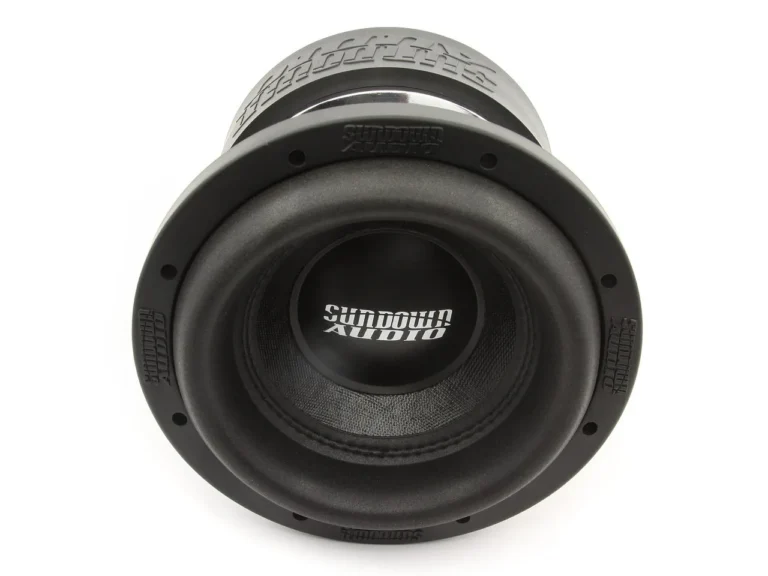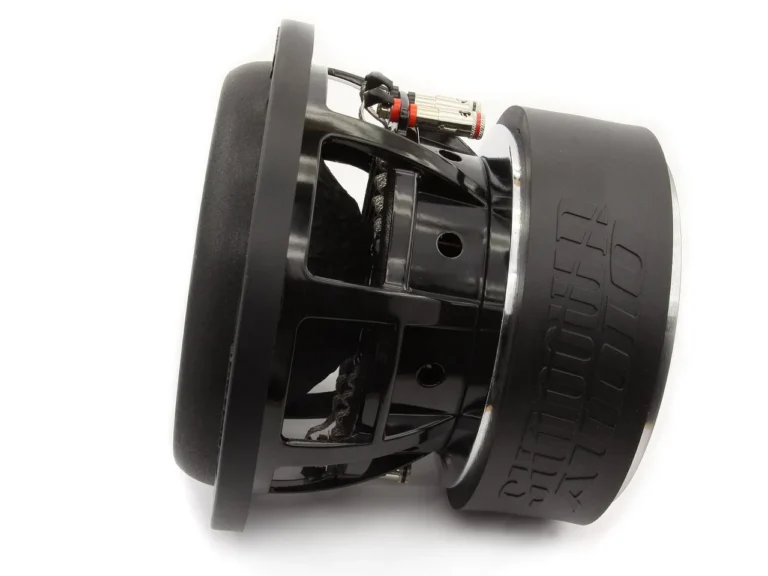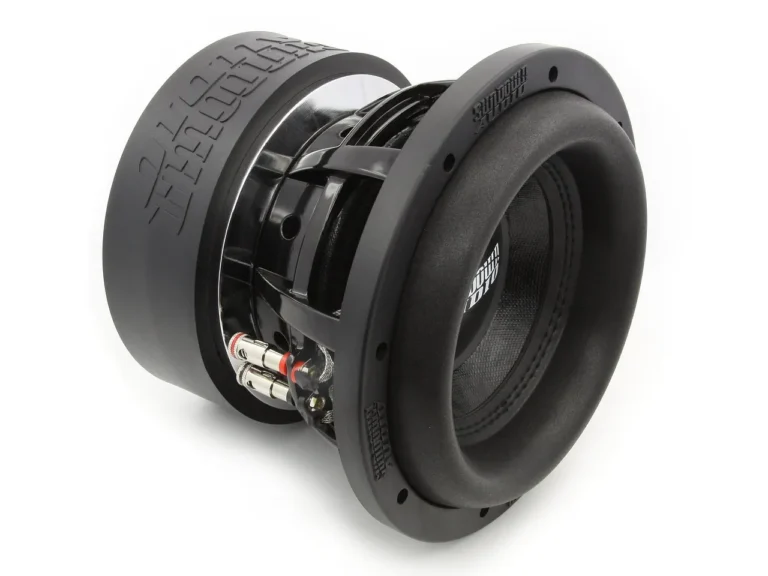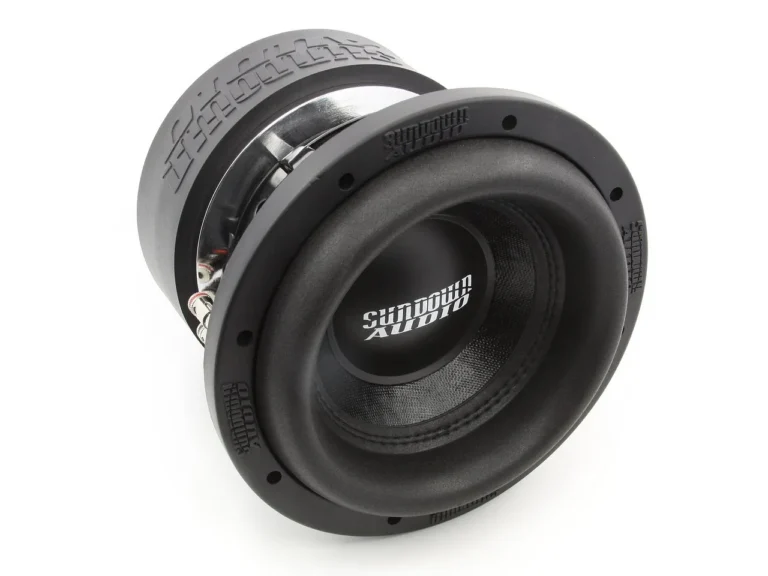
How to Set Subwoofer Phase by Ear in Your Car
Set subwoofer phase by ear from the driver seat by playing a steady 50–80 Hz bass track, flipping the phase switch or rotating the knob, and keeping the setting that gives the loudest, tightest bass at your seat. If the difference is tiny, a common rule of thumb is to leave it at 0°. A wrong setting can cancel bass at the driver seat, make kick drums thin, and push you to turn the sub up until the system sounds muddy. This guide shows how to test phase by ear, tell it apart from polarity, delay, and box placement, and pick the setting that fits your car.
Why phase alignment matters for driver seat
Phase is the timing difference between the subwoofer output and the main speakers at the crossover point. In a car, that timing can change how bass sums at the driver seat, and the 0° and 180° switch positions are common first checks because they can change perceived loudness and blend. The right setting is the one that gives the strongest, cleanest transition where the sub hands off to the doors.
Listen only from the normal driving position. Bass response changes with cabin shape, seat location, and where the sub fires, so the best setting for the rear seat can be wrong up front. A sealed box often reacts more gently to phase changes than a ported box, but either one can shift when the enclosure moves.
What “better bass” should sound like
Choose the setting that makes kick drum hit harder, keeps bass steady around the crossover, and avoids a hollow or one-note feel. Stronger bass at the driver seat matters more than a setting that looks good on paper. Phase adjustment shifts how the sub wave lines up with the doors, which can add or remove output around the crossover region.
Suppose a hatchback has the box against the tailgate and the bass sounds loud in back but thin at the wheel. Flipping phase can make the kick drum fill in around the seat, or it can make the dip worse. The right choice is the one that improves the seat you actually drive from.
What you’ll need
- A bass-focused test tone near the sub crossover region, ideally in the 50–80 Hz range
- A few bass-heavy music tracks with kick drum and sustained low notes
- Access to the subwoofer phase switch or variable phase control
- Your head unit or DSP menu for time alignment and crossover settings
- A way to sit in the driver seat while you listen
- Access to the sub amplifier gain, low-pass filter, and subsonic filter controls
How do you check wiring polarity?
Check polarity before you judge phase. Reversed positive and negative leads can mimic a phase problem, because out-of-phase signals can cancel bass and make the sub sound weak. If the terminals are wrong, phase tuning becomes guesswork.
Look at the subwoofer terminals and confirm that amplifier positive goes to sub positive, and amplifier negative goes to sub negative. If the sub is bridged, follow the amp’s printed bridge diagram instead of guessing. Fix polarity first, then restart the phase test from 0°.
- Power off the system at the head unit.
- Open the amplifier and subwoofer wiring diagram or the labels next to the terminals.
- Verify positive-to-positive and negative-to-negative at the subwoofer terminals.
- Correct any reversed lead before touching phase.
- Return the phase control to 0° and retest from the driver seat.
How do you set 0° or 180°?
Use a steady bass tone and compare 0° against 180° at normal listening volume from the driver seat. Start at 0°, flip to 180°, then keep the setting that gives the stronger kick, less cancellation around the crossover, and more even bass. A traditional wired phase control may require adjusting a knob while the track plays.
For a variable phase knob, move it to 0° first, then sweep toward 180° while the tone loops. Stop where the bass sounds fullest at the wheel, not where it sounds loudest in the cargo area. After that, confirm the choice with music.
- Set the head unit volume to your normal listening level.
- Play a bass test tone near the crossover region.
- Switch from 0° to 180° while seated in the driver seat.
- Keep the setting with stronger kick drum and less dip near the handoff to the doors.
- Play bass-heavy music and confirm the result with real kick and sustained bass.
What song or test tone should you use to judge sub phase?
Use a bass-focused test tone near the sub crossover first, then confirm with music that has kick drum and held low notes. A tone centered near the crossover makes cancellation easier to hear, and the music shows whether the setting still works at normal listening volume. A tone far above or below the crossover can hide the real difference.
A common first-timer mistake is judging phase with a song that has little content around the crossover. That makes the switch seem useless. Pick material that lives where the sub and doors overlap, then listen for whether the bass locks in or seems to pull away from the front of the car.
Can time alignment replace phase?
Head unit time alignment can reduce the need for manual phase changes, but it does not make phase irrelevant. Delay corrects distance differences; phase fine-tunes how the sub and main speakers combine around the crossover. When the seat position changes, the best phase setting can change too.
If your head unit or DSP has delay settings, set those first for the speaker distances. Then use phase to polish the blend. This matters most when the sub is in the trunk of a sedan or against a rear corner in a hatch, where cabin path lengths can differ a lot.
- Open the head unit or DSP menu and set time alignment or delay for the main speakers.
- Match delay to the seat distances before final phase tuning.
- Return to the sub phase control and repeat the 0° and 180° comparison.
- Keep the setting that gives the cleanest crossover handoff at the driver seat.
Driver-seat phase decision checklist
This checklist turns the ear test into a repeatable decision. Use it after wiring, gain, and crossover settings are already in place. If the box moved, run the test again because placement can change the best setting. That is especially true in sedans with a trunk pass-through and in hatchbacks where the rear glass reflects bass back into the cabin.
| Step | 0° result | 180° result | What to listen for | Notes |
|---|---|---|---|---|
| 1. Play the test tone | Record bass level at the wheel | Record bass level at the wheel | Kick drum strength and low-end fullness | Sedan / hatch / trunk layout |
| 2. Check the crossover area | Note any dip or hollow spot | Note any dip or hollow spot | Less cancellation around the handoff | Box moved: yes / no |
| 3. Confirm with music | Mark consistency at normal volume | Mark consistency at normal volume | Steady bass across kick and sustain | Choose the stronger seat result |
How do you tell if your subwoofer is out of phase?
Out-of-phase bass at the driver seat usually sounds thinner, weaker, or strangely hollow near the crossover, even when the sub level is high enough. In a car, the seat position can hide or exaggerate that effect, so a common clue is a drop in kick drum weight and a dip in the 60 to 100 Hz area.
Try 0° and 180° at the same volume, same tone, and same seat. If one setting fills in the kick and the other feels empty, the weaker one is the bad match. If both sound nearly the same, placement, crossover overlap, or delay may be dominating instead.
Why does the phase switch sometimes do nothing?
A phase switch can seem ineffective when the crossover is too high or too low, the gain is off, the box placement dominates the response, or the seat location sits in a bass null. In those cases, the cabinet and cabin are already doing most of the work, so the switch only makes a small change.
Start by confirming sub amplifier gain, then set the low-pass filter near the crossover point, and if the box is ported, set the subsonic filter before judging phase. Adjusting phase works best after the system is already close.
- Open the amp panel or DSP menu for the subwoofer crossover.
- Set gain first, using the head unit at normal listening level.
- Set the low-pass filter near the sub crossover region.
- If the box is ported, set the subsonic filter before the final test.
- Repeat the 0° and 180° comparison from the driver seat.
Does phase need to change after moving the sub box?
Yes. Phase adjustments are typically made when setting up a new system, and they are also used after changing speaker locations. Moving the box changes the distance and boundary loading, which can shift the best setting at the driver seat. A move of even a short distance can change the bass handoff.
Picture a trunk sub that was centered, then shifted to one side to fit luggage space. The bass may still be strong, but the better phase setting can flip because the cabin now loads the wave differently. Retest after any enclosure move, even if the wiring stayed the same.
Common mistakes
These errors can make the test unreliable. Fix them before you decide that the phase switch is useless.
- Judging from the rear seat instead of the driver seat.
- Changing gain while comparing phase.
- Ignoring reversed polarity at the subwoofer terminals.
- Skipping the music check after the tone test.
- Moving the box and keeping the old phase setting without retesting.
- Using a song with weak bass around the crossover region.
Why does phase make bass louder at one seat and weaker at another?
Different seats sit in different pressure zones inside the cabin, so the same setting can sum at one spot and cancel at another. That is why the driver seat is the tuning seat that matters most. The car’s length, trunk opening, and glass surfaces all shift where the bass wave lands.
In a sedan, trunk loading can delay the bass before it reaches the cabin. In a hatchback, the rear glass and cargo area can create a different pattern. The result is seat-dependent bass, which is why the best phase choice is often specific to the driver’s position.
Frequently asked questions
How do I set subwoofer phase by ear in my car?
Play a 50–80 Hz tone at normal volume from the driver seat, switch between 0° and 180°, then keep the setting that gives the stronger kick and smoother crossover blend. Confirm with music that has kick drum and sustained bass. If the difference is tiny, leave it at 0°.
Should my subwoofer phase be 0 or 180 degrees?
Use the setting that sounds fuller at the driver seat. Many cars land on 0°, but the correct choice depends on enclosure placement, crossover overlap, and seat location. If 180° gives more kick drum and less dip at the crossover, choose 180°.
How do I tell if my subwoofer is out of phase?
It often sounds thin, hollow, or weak around the crossover, especially from the driver seat. Compare 0° and 180° at the same level. The worse setting usually loses kick drum weight and leaves a dip where the sub should hand off to the doors.
Can my head unit time alignment replace subwoofer phase?
No. Time alignment sets delay for speaker distance, while phase fine-tunes how the sub and speakers combine at the crossover. Use delay first when available, then recheck phase. A different delay setting can change which phase position sounds best.