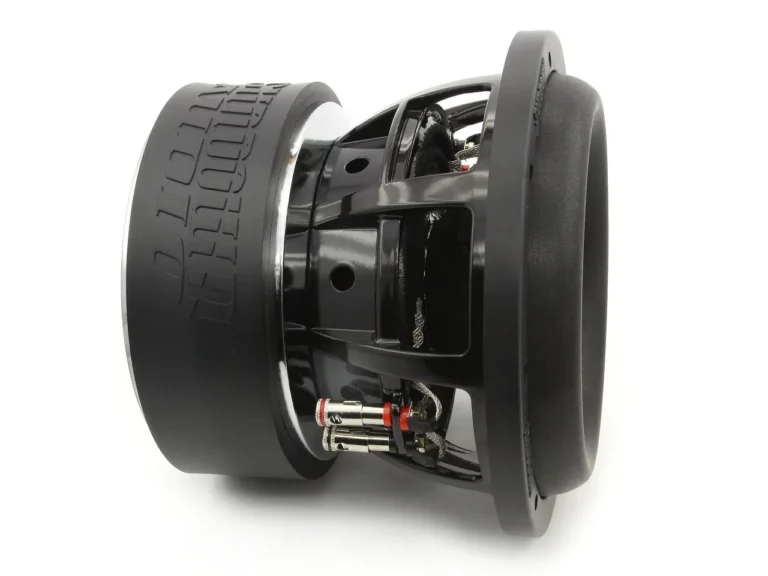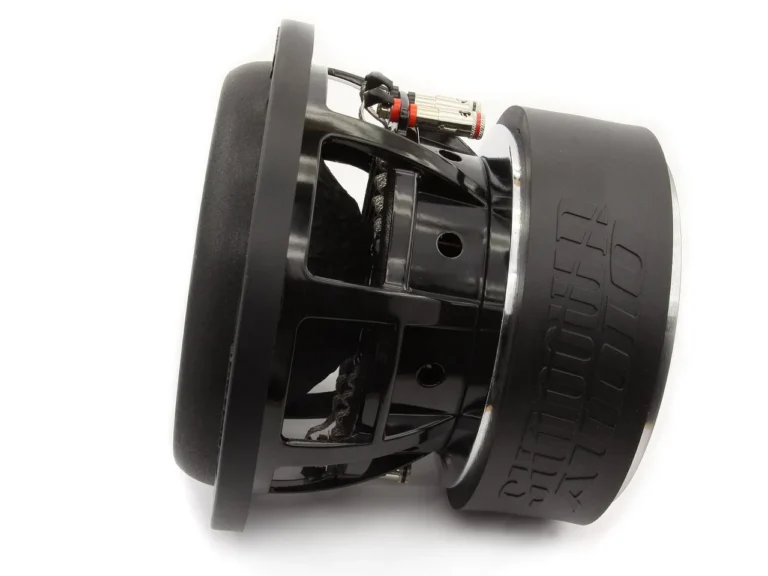
Can You Use a Subwoofer Without a Box?
Yes, but only if the subwoofer is rated for free-air or infinite-baffle use; most car subs need a box, and a random open-air install usually cuts output and can make the driver work harder than intended. Weak support lets the cone unload, distorts bass, and raises strain on the voice coil. Here’s how to tell true boxless setups from bad ones, and when a small sealed box is the safer choice.
Can you use a subwoofer without a box?
Yes, but only in the narrow cases where the driver is built for free-air or infinite-baffle operation. A standard subwoofer usually needs an enclosure or at least a rigid baffle to keep the front and rear sound waves apart; without that separation, bass drops fast and the driver is easier to stress.
When boxless use can work
True boxless use means the sub is built to work against the vehicle structure, not against an ordinary plastic panel or loose sheet of wood. Free-air subwoofer designs are also called infinite baffle subwoofers, and they are meant for rear deck mounting or another rigid baffle that seals the front wave from the rear wave.
That is different from dropping a normal sub into open air and hoping the cabin will do the rest. The latter usually produces acoustic cancellation, which is front and rear sound waves canceling each other and wiping out low bass.
What happens when you run a subwoofer open-air?
Open-air use usually produces thin, weak bass because the front and rear waves meet and cancel each other. The cone can also move farther than it should at low frequencies, which can raise distortion, bottoming-out risk, and heat in the voice coil. The result is often less bass, not more.
Acoustic cancellation and thin bass
Acoustic cancellation is the main problem. A subwoofer without a box can suffer acoustic cancellation from front and rear waves, so the low end disappears before it reaches the cabin with real force.
That is why a box matters even when the driver is large. It keeps pressure on one side of the cone from mixing with the other side, and gives the cone something firm to work against.
Distortion, bottoming out, and damage risk
Without proper support, the cone can unload at low frequencies. That means it moves too freely, which can sound sloppy and may allow the suspension or voice coil to be overstressed.
A common first-timer mistake is wiring a standard 12-inch sub straight to a trunk opening with no enclosure and then turning up the bass boost. The system may get louder for a moment, then start sounding thin and strained.
What is a free-air or infinite-baffle setup?
Free-air subwoofer use is the true boxless exception. These drivers are made to work with the trunk or cabin boundary acting as the effective enclosure, and they need a sealed front/back wave path so the two sides of the cone never mix.
What a free-air sub is designed to do
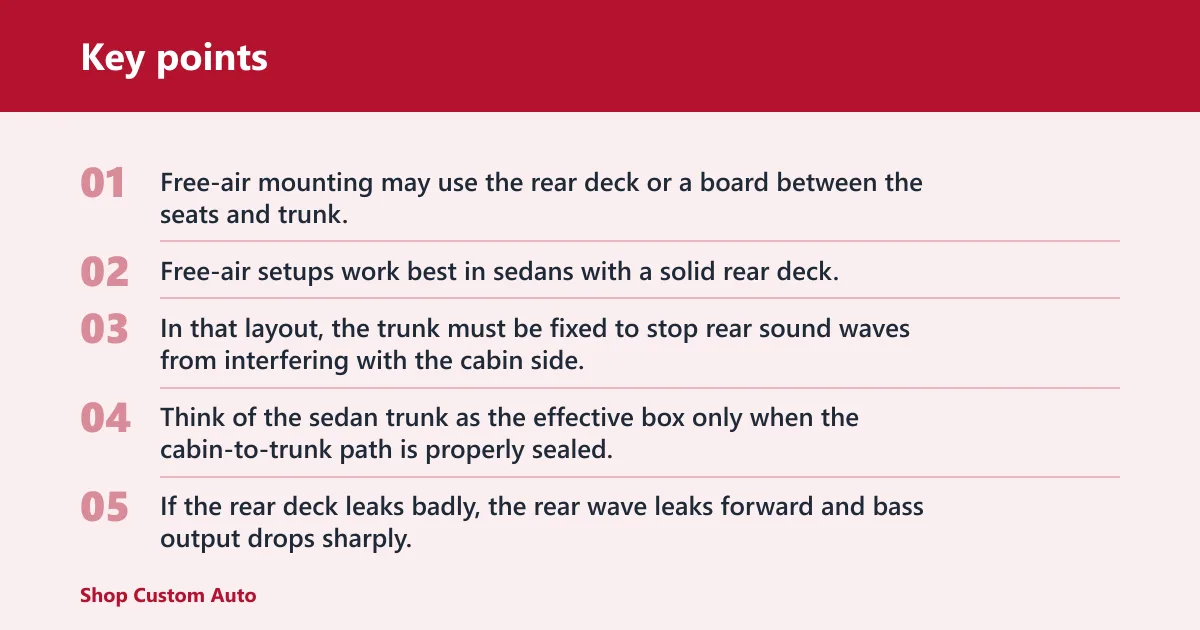
Free-air mounting may use the rear deck or a board between the seats and trunk. The point is not to make the sub “in the open”; the point is to mount it on a rigid baffle that separates the waves as if the vehicle itself were the box.
That is why free-air and infinite-baffle are so often used together. Free-air subwoofers are also called infinite baffle subwoofers, and both depend on the car body doing the job of an enclosure.
Why sedan body sealing matters
Free-air setups work best in sedans with a solid rear deck. In that layout, the trunk must be fixed to stop rear sound waves from interfering with the cabin side.
Think of the sedan trunk as the effective box only when the cabin-to-trunk path is properly sealed. If the rear deck leaks badly, the rear wave leaks forward and bass output drops sharply.
Suppose a sedan has a 10-inch free-air driver mounted on the rear deck and the seat pass-through is open. The sub may play, but the rear wave can leak into the cabin and cancel the front wave around the low end. Close the path, and the same driver has a much better chance of working as intended.
Boxless or boxed?
| Vehicle type | Sub type | Required sealing | Expected bass output | Risk level | Recommended next step |
|---|---|---|---|---|---|
| Sedan infinite-baffle | Free-air / infinite-baffle subwoofer | Cabin and trunk must be sealed so front and rear waves stay separate | Moderate, with better low-end control than a loose open-air install | Medium if sealing is poor | Use a rigid rear-deck or board mount and verify trunk-to-cabin sealing |
| Hatchback/SUV | Standard subwoofer | No true infinite-baffle boundary in most cases | Weak to thin if used boxless | High | Choose a sealed box instead of trying open-air mounting |
| Shallow-mount sealed | Shallow-mount subwoofer | Airtight sealed enclosure | Tight, controlled bass with good space efficiency | Low | Build or buy a compact sealed box that fits the vehicle |
| Any vehicle | Standard subwoofer used without an enclosure | No proper sealing | Usually poor, with front/rear cancellation | Very high | Do not run it that way; add a box or switch to a true free-air driver |
Which enclosure should you choose instead?
If boxless use is not a true free-air setup, a small sealed box is usually the safer choice. Sealed boxes are airtight enclosures, small compared with ported designs, and they give tight, precise bass control rather than chasing maximum output at a narrow frequency band.
Sealed box: compact and controlled
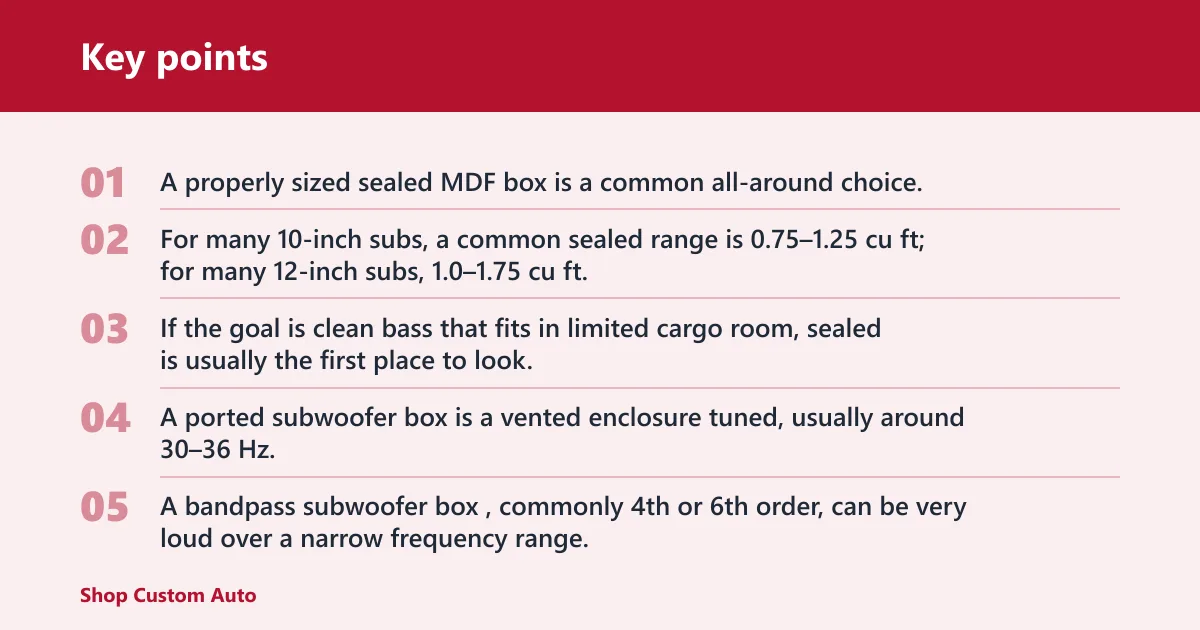
A properly sized sealed MDF box is a common all-around choice. For many 10-inch subs, a common sealed range is 0.75–1.25 cu ft; for many 12-inch subs, 1.0–1.75 cu ft. Those sizes are not universal, but they show why sealed boxes stay practical when cabin space is tight.
If the goal is clean bass that fits in limited cargo room, sealed is usually the first place to look. It is also the easiest enclosure type to live with when the driver is not meant for true free-air use.
Ported box: louder near tuning
A ported subwoofer box is a vented enclosure tuned, usually around 30–36 Hz. It can give noticeably more output versus sealed near its tuning region, but it is larger and more sensitive to design errors.
That extra output is useful when maximum bass matters more than compact size. It is not the first answer for someone asking whether a standard sub can simply run without a box.
Bandpass box: loud but narrow
A bandpass subwoofer box, commonly 4th or 6th order, can be very loud over a narrow frequency range. It is also more complex to design, so it is mainly chosen for SPL-style output rather than simple daily-driver accuracy.
If the goal is straightforward bass with fewer tuning variables, bandpass is usually not the smart substitute for a missing enclosure.
How to mount a free-air subwoofer safely
A free-air subwoofer needs firm mounting and full wave separation. The driver should sit in a rigid rear deck, baffle board, or other solid panel that helps keep the front wave from mixing with the rear wave. Loose mounting defeats the whole idea.
-
Choose the right driver.
Confirm that the sub is rated for free-air or infinite-baffle use. A normal subwoofer is not the same thing, and the wrong driver will usually sound thin or distorted when boxless. -
Pick a rigid mounting location.
Use a rear deck or a solid board between the cabin and trunk. The panel must stay stiff so the cone’s motion does not flex the mount and leak sound between sides. -
Seal the wave path.
Close gaps around the speaker cutout, rear deck openings, and seat pass-through areas. The trunk must be fixed to stop rear sound waves from interfering. -
Check cone clearance.
Make sure the driver has room to move without hitting trim, metal, or wiring. Open-air mounting increases excursion risk, so small clearance mistakes matter more.
Can a shallow-mount sub save space?
Yes. Shallow-mount subwoofers are a space-saving option, but they still usually work best in an enclosure. They are useful when depth is limited, such as under-seat or compact cargo installs, where a full-size box would be awkward or impossible.
Why shallow-mount drivers still usually want a box
A shallow-mount design changes the mounting depth, not the physics of front and rear wave separation. Without a box or proper baffle, a shallow driver can still suffer cancellation and weak output.
That is why shallow-mount drivers are often the better answer when space is tight, while a true free-air driver is the better answer when boxless mounting is actually required by the vehicle design.
Picture a hatchback owner trying to avoid a big enclosure by mounting a standard 12-inch sub to a cargo panel. The panel may fit, but the open cabin path lets the waves mix. A shallow sealed box under the cargo floor would usually give more usable bass with less risk.
What setup basics matter for boxless and infinite-baffle use?

Amplifier setup matters in any boxless or infinite-baffle system. The amplifier should match the driver impedance, use the right filtering, and have clean power and ground wiring. A weak electrical setup can make a marginal install sound worse and can stress the driver.
Amplifier impedance and filtering
Match the amp to the sub’s impedance so the load stays in a safe range. Use a subsonic or high-pass filter if the amplifier offers one, especially in open-air or infinite-baffle use, because very low frequencies can overwork the cone when there is no enclosure helping to control travel.
Keep bass boost modest or off until the system is proven stable. Boost can hide cancellation for a moment, then push the driver into distortion when the cone runs out of control.
Power, ground, and protection checks
Use proper power and ground wiring, with secure connections and correct fuse protection. Poor electrical support can cause voltage drop, noise, and inconsistent amplifier behavior.
-
Verify the load.
Check the sub’s final impedance and compare it with the amplifier’s stable rating. This keeps the amp from running outside its safe range. -
Set conservative filtering.
Start with a high-pass or subsonic setting that protects the driver from ultra-low output. Adjust only after the system is playing cleanly. -
Inspect wiring quality.
Confirm solid ground contact, tight terminals, and a correctly sized fuse near the battery. Bad wiring can make a good setup behave like a bad one.
Frequently asked questions
Does a subwoofer need a box?
Most subwoofers do. The box keeps front and rear waves apart, controls cone motion, and helps prevent the driver from unloading. The main exception is a true free-air or infinite-baffle subwoofer used in a properly sealed sedan-style setup.
What happens if you put a subwoofer in a small box?
A small sealed box can tighten bass and save space, but if it is too small for the driver, output can drop and the response can sound stiff. The right sealed volume depends on the sub, so a well-sized enclosure is better than guessing.
Can a free-air subwoofer work in a car trunk?
Yes, if the trunk and cabin are properly sealed and the driver is mounted on a rigid rear deck or baffle. That is the infinite-baffle idea. If the sealing is poor, rear-wave leakage will reduce bass and make the setup sound thin.
What is the difference between a free-air subwoofer and an enclosed subwoofer?
A free-air subwoofer is designed to work with the vehicle body acting as the enclosure, while an enclosed subwoofer relies on a sealed, ported, or bandpass box. The free-air setup depends on wave separation in the car; the enclosed setup depends on the cabinet itself.
Will a subwoofer sound worse without an enclosure?
Usually, yes. Without an enclosure, a normal subwoofer often loses bass to cancellation, sounds less efficient, and has less cone control. A true free-air design is the exception, but it still depends on the right mounting surface and vehicle body style.